

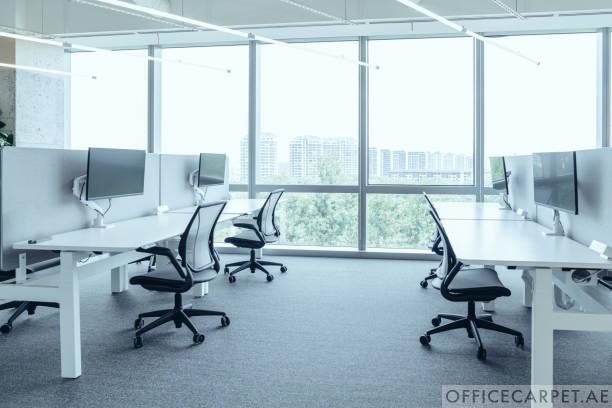

Selecting the right carpet for an office environment requires more than choosing a color or pattern. Flooring influences comfort, acoustics, durability, and even employee productivity. In a fast-paced business city like Dubai, office interiors must balance functionality with modern design expectations.
Understanding how to evaluate materials, construction types, and performance features helps businesses make informed decisions. This guide explores key considerations when choosing office carpets in Dubai, ensuring the flooring supports long-term use and workplace efficiency.
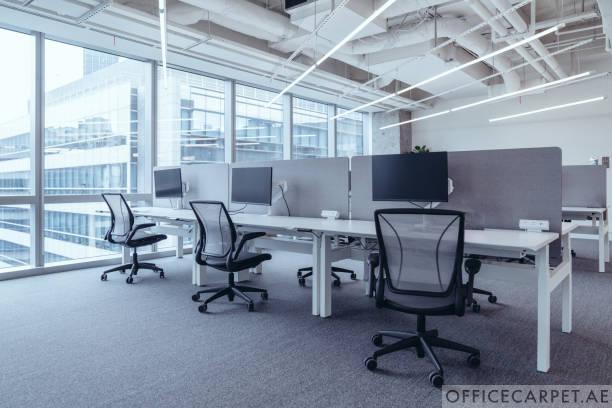
Understanding Workplace Flooring Needs in Dubai Offices
Dubai offices vary widely in size, layout, and industry requirements. From corporate headquarters to creative studios and coworking hubs, each space demands flooring that aligns with its functional goals.
When assessing flooring needs, consider:
- Foot traffic volume: Reception areas and corridors experience heavier use than private offices.
- Climate conditions: Although interiors are climate-controlled, dust from outdoor environments can affect carpet maintenance.
- Office layout: Open-plan offices require enhanced acoustic control.
- Furniture type: Rolling chairs and movable partitions impact carpet wear patterns.
Many businesses researching office carpets dubai focus on durability and long-term performance rather than short-term aesthetics. Flooring should withstand daily operations without frequent replacement.
Additionally, workplace culture plays a role. Formal corporate settings may prefer neutral tones and subtle textures, while creative environments may experiment with bold patterns and modular designs.
Differences Between Broadloom and Carpet Tiles
Office carpets are generally available in two main formats: broadloom (wall-to-wall rolls) and carpet tiles (modular squares).
Broadloom Carpets
Broadloom carpets are installed in large continuous rolls, creating a seamless appearance. They are often chosen for:
- Executive offices
- Boardrooms
- Hotel-style office interiors
- Large conference spaces
Advantages:
- Elegant and uniform finish
- Fewer visible seams
- Strong visual continuity
Considerations:
- Replacement may require removing large sections
- Installation can be more labor-intensive
Carpet Tiles
Carpet tiles are modular pieces that fit together to cover a floor. These are increasingly popular in modern office environments.
Advantages:
- Easy replacement of damaged sections
- Flexible design patterns
- Simplified installation and maintenance
Considerations:
- Visible seams in certain lighting conditions
- Requires precise alignment
Modular options provide flexibility for offices that frequently reconfigure layouts. This adaptability makes them practical for dynamic workspaces.
Benefits of Modular Carpet Tiles in Modern Offices
Modular carpet tiles offer performance advantages that suit evolving office environments.
1. Easy Maintenance
If a section becomes stained or worn, individual tiles can be replaced without disturbing the entire floor.
2. Design Flexibility
Tiles can be arranged in patterns such as:
- Checkerboard layouts
- Directional textures
- Zoning patterns for collaborative areas
This design flexibility helps define spaces within open-plan offices.
3. Reduced Waste
Only damaged sections need replacement, which supports sustainability goals.
When researching options, many facilities managers explore solutions similar to office carpet tilles to understand how modular flooring systems improve efficiency in commercial settings.
Tiles also simplify access to underfloor systems, such as electrical wiring and data cabling, which is especially important in modern technology-driven offices.
Exploring Hand Tufted Carpet Craftsmanship
While modular tiles dominate contemporary offices, hand tufted carpets remain relevant in certain professional settings.
Hand tufting involves inserting yarn into a backing material using specialized tools. This technique allows for detailed patterns and thicker pile heights.
Advantages of hand tufted carpets include:
- Rich texture and depth
- Custom design possibilities
- Enhanced comfort underfoot
In executive suites or reception areas, hand tufted carpets can create a sophisticated aesthetic. Their dense construction also improves acoustic absorption.
However, hand tufted carpets may not always be ideal for extremely high-traffic zones. Decision-makers must balance design appeal with functional durability.
Understanding construction methods helps ensure that the selected carpet aligns with the intended use of each office zone.
Durability Factors for High-Traffic Workspaces
Durability is one of the most critical factors when choosing office carpets. Commercial flooring must endure:
- Continuous foot traffic
- Rolling office chairs
- Heavy desks and cabinets
- Frequent cleaning cycles
Key durability considerations include:
Fiber Type
Nylon is widely regarded as one of the most durable synthetic fibers for commercial use. It resists crushing and maintains texture over time.
Density and Pile Height
Higher density carpets with shorter pile heights typically perform better in high-traffic areas. They resist matting and wear more effectively.
Backing System
Quality backing improves dimensional stability and prevents curling at edges.
Stain Resistance
Stain-resistant treatments help maintain a clean appearance, especially in communal areas like break rooms and meeting spaces.
Before making a final decision, evaluate how each carpet type performs under real-world conditions. Testing samples in high-use areas can provide valuable insights.
Acoustic and Thermal Performance of Office Carpets
Acoustic control significantly affects workplace productivity. In open offices, uncontrolled noise can disrupt focus and collaboration.
Carpets contribute to acoustic performance by:
- Absorbing impact sounds from footsteps
- Reducing echo and reverberation
- Minimizing sound transfer between floors
This is particularly important in multi-story office buildings.
Thermally, carpets provide insulation by trapping air within fibers. Benefits include:
- Improved indoor comfort
- Reduced heat loss in cooler months
- Enhanced energy efficiency in certain environments
In climate-controlled buildings, carpets help maintain consistent indoor temperatures, contributing to overall comfort.
Sustainability and Eco-Friendly Flooring Considerations
Sustainability is increasingly important in modern office design. Many businesses in Dubai prioritize environmentally responsible materials.
When evaluating eco-friendly carpets, consider:
Recycled Content
Some carpets are manufactured using recycled fibers and backing materials.
Low Emission Standards
Look for products that meet indoor air quality standards and emit low levels of volatile organic compounds (VOCs).
Modular Replacement
Carpet tiles allow partial replacement, reducing landfill waste.
Longevity
Durable carpets reduce the need for frequent replacement, minimizing environmental impact over time.
Sustainable flooring choices not only benefit the environment but also support corporate responsibility goals.
Maintenance Strategies for Long-Lasting Carpets
Even the most durable office carpet requires structured maintenance.
Daily Care
- Vacuum high-traffic areas
- Remove debris promptly
- Address spills immediately
Scheduled Deep Cleaning
- Use professional-grade equipment
- Follow manufacturer cleaning guidelines
- Avoid excessive moisture that may damage backing
Preventive Measures
- Install entrance mats to trap dust
- Use chair mats in workstation areas
- Rotate furniture periodically to distribute wear
Creating a maintenance schedule ensures carpets retain both functionality and appearance.
In dusty environments, more frequent cleaning may be necessary to maintain indoor air quality and prevent fiber damage.
Conclusion
Choosing the right office carpet in Dubai involves evaluating workspace needs, durability requirements, acoustic performance, and sustainability goals. From broadloom installations to modular tiles and hand tufted options, each format offers distinct advantages.
By understanding fiber types, construction methods, and maintenance strategies, businesses can select flooring that supports productivity and long-term efficiency. A thoughtful approach ensures that office carpets not only enhance aesthetics but also contribute meaningfully to workplace comfort and functionality.
FAQs
1. What factors should be considered when selecting office carpets?
Important factors include foot traffic levels, fiber durability, acoustic performance, maintenance requirements, and overall design compatibility with the workspace.
2. Are carpet tiles better than wall-to-wall carpets?
Carpet tiles offer flexibility, easy replacement, and modular design benefits. Wall-to-wall carpets provide a seamless appearance and may suit formal office environments.
3. What makes hand tufted carpets unique?
Hand tufted carpets feature dense construction and detailed patterns created through a specialized tufting process. They often provide enhanced texture and visual depth.
4. How often should office carpets be cleaned?
High-traffic areas should be vacuumed daily, with professional deep cleaning scheduled periodically based on usage levels and environmental conditions.
5. What flooring options work best for busy offices in Dubai?
Durable materials such as nylon carpet tiles or dense low-pile carpets generally perform best in busy offices, offering resilience, acoustic benefits, and easier maintenance.


