

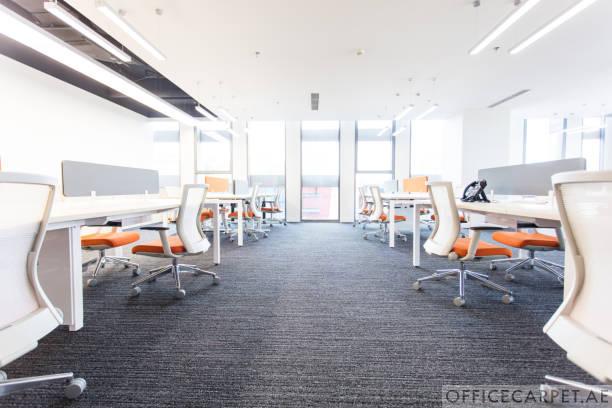

Office environments are carefully designed to support productivity, comfort, and professionalism. Among the many design elements that influence how a workplace feels and functions, flooring plays a surprisingly powerful role. From sound control to safety and aesthetics, carpets can significantly impact daily operations.
Understanding what office carpets are and how they benefit workspaces helps businesses make informed decisions about flooring choices. Whether in corporate headquarters, coworking hubs, or administrative buildings, carpeted flooring offers functional and environmental advantages that go far beyond appearance.
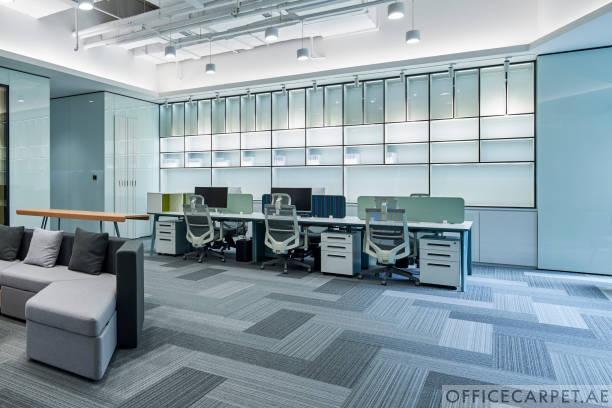
What Are Office Carpets and How Do They Improve Workspaces
Office carpets are specialized flooring materials designed to withstand consistent foot traffic while maintaining comfort and visual appeal. Unlike residential carpets, they are engineered with durability, stain resistance, and acoustic control in mind.
These carpets are commonly installed in:
- Corporate offices
- Meeting rooms
- Conference halls
- Reception areas
- Educational institutions
- Government buildings
Modern office carpets are manufactured using materials and backing systems that enhance performance. They may come in broadloom rolls or modular tiles, depending on layout and functional needs.
Workspaces benefit from carpets in several ways:
- Enhanced comfort: Soft surfaces reduce fatigue for employees who stand or walk frequently.
- Professional appearance: Carpets create a cohesive and polished interior look.
- Improved acoustics: They absorb sound, reducing echo and distractions.
- Thermal insulation: Carpet fibers retain warmth, helping regulate indoor temperatures.
In open-plan offices especially, flooring can influence how sound travels and how comfortable the environment feels. Carpeted floors contribute to a calmer and more focused atmosphere.
Key Functional Benefits of Carpets in Office Environments
Carpets serve more than a decorative function. They provide measurable performance benefits that influence daily workflow and employee wellbeing.
1. Noise Reduction
Hard floors reflect sound waves, increasing echo and background noise. Carpets absorb impact sounds such as footsteps and chair movement, which reduces distractions.
2. Safety Enhancement
Carpets provide traction, minimizing the risk of slipping. In busy office corridors and entrances, this improves overall workplace safety.
3. Ergonomic Support
The cushioning effect of carpet backing systems reduces strain on joints. Employees who move between desks, printers, and meeting rooms benefit from softer surfaces.
4. Visual Zoning
Different carpet patterns or colors can define zones within large office layouts. For example:
- Collaboration spaces
- Quiet work areas
- Breakout corners
- Reception zones
This visual segmentation helps guide movement and improves spatial organization without installing physical barriers.
How Office Carpets Enhance Acoustics and Reduce Noise
Acoustic control is one of the most important reasons businesses choose carpet flooring. In modern open offices, excessive noise can reduce productivity and increase stress.
Carpet fibers trap airborne sound waves and absorb impact noise. When combined with acoustic ceiling panels and partitions, carpets significantly improve overall sound quality.
Key acoustic benefits include:
- Reduced footstep noise
- Lower echo levels
- Improved speech clarity in meeting areas
- Minimized sound transmission between floors
In multi-story buildings, carpets help dampen the impact sound that travels downward. This is particularly important in corporate towers and shared office complexes.
Interestingly, the design principles used in soft-surface installations—such as those applied in artificial lawn abu dhabi projects—demonstrate how fiber-based materials can effectively absorb impact and reduce noise in both indoor and outdoor environments.
By lowering background noise levels, carpets contribute to better concentration and more effective communication among employees.
The Role of Carpets in Workplace Safety and Comfort
Workplace safety regulations emphasize minimizing hazards, and flooring selection is a major factor in compliance. Carpeted surfaces help reduce the likelihood of accidents in high-traffic areas.
Slip Resistance
Unlike polished tile or marble, carpet fibers create friction. This reduces slipping risks, especially in areas near entrances where moisture may be present.
Impact Cushioning
In the event of a fall, carpets provide a softer landing compared to hard surfaces. This can reduce injury severity.
Fatigue Reduction
Employees who stand during presentations or collaborative sessions experience less physical strain when working on carpeted floors.
Comfort also extends to temperature control. Carpets retain warmth and create a more comfortable indoor climate during cooler months. In air-conditioned offices, they help maintain consistent indoor conditions.
Comparing Carpet Materials for Long-Term Durability
Selecting the right carpet material is essential for longevity and performance. Office carpets must withstand rolling chairs, heavy furniture, and continuous foot traffic.
Common materials include:
Nylon
- Highly durable
- Resistant to wear and crushing
- Maintains texture over time
Polypropylene (Olefin)
- Stain-resistant
- Cost-effective
- Suitable for moderate traffic areas
Wool
- Natural and breathable
- Excellent resilience
- Premium aesthetic appeal
Each material offers different performance characteristics. For example, nylon is often preferred in high-traffic corridors due to its resilience.
The concept of durable synthetic fibers is also evident in products like fake grass abu dhabi, where engineered materials are designed to resist wear, UV exposure, and environmental stress. Similar technological advancements are applied in commercial carpet production.
When comparing materials, decision-makers should consider:
- Expected foot traffic levels
- Cleaning requirements
- Indoor climate conditions
- Sustainability goals
Choosing the correct fiber type significantly influences how well a carpet performs over years of use.
Maintenance Practices That Extend Carpet Lifespan
Proper maintenance is essential to preserve appearance and performance. Even the most durable carpets require routine care.
Daily Maintenance
- Vacuum high-traffic areas regularly
- Remove debris promptly
- Address spills immediately
Weekly and Monthly Care
- Deep vacuuming with commercial-grade equipment
- Spot cleaning using manufacturer-approved products
- Inspecting seams and edges
Periodic Professional Cleaning
- Hot water extraction or low-moisture cleaning methods
- Scheduled maintenance programs
Preventive measures also help extend carpet life:
- Installing entrance mats
- Using chair mats under rolling chairs
- Rotating furniture layouts periodically
A structured maintenance plan not only preserves aesthetics but also supports indoor air quality by removing trapped dust and allergens.
Environmental Considerations When Choosing Flooring
Sustainability has become a central concern in modern office design. Carpet manufacturers now offer eco-conscious options that reduce environmental impact.
Recycled Materials
Many commercial carpets are made using recycled fibers and backing materials.
Low VOC Emissions
High-quality carpets meet indoor air quality standards by minimizing volatile organic compound emissions.
Recyclability
Some modular carpet tiles can be replaced individually, reducing waste compared to full-floor replacements.
Carpets also contribute to energy efficiency by providing thermal insulation, which can reduce heating demands in certain climates.
When evaluating environmental impact, businesses should assess:
- Manufacturing processes
- Material sourcing
- End-of-life recyclability
- Certification standards
Selecting sustainable flooring supports corporate environmental responsibility initiatives.
How Artificial Grass Concepts Influence Modern Interiors
Design innovation often crosses boundaries between indoor and outdoor materials. The concept of textured, resilient surfaces—commonly associated with synthetic turf—has influenced modern interior flooring solutions.
Designers now explore:
- Textured carpet patterns inspired by natural landscapes
- Biophilic design elements that mimic outdoor aesthetics
- Green-toned carpets in collaborative spaces
This approach enhances visual interest while maintaining functional performance. Fiber engineering used in synthetic surfaces demonstrates how texture, durability, and comfort can coexist.
By incorporating nature-inspired design principles, offices can create environments that feel both dynamic and calming.
Conclusion
Office carpets are more than decorative floor coverings; they are strategic design elements that influence comfort, safety, acoustics, and sustainability. From reducing noise in open-plan layouts to enhancing employee wellbeing, carpeted flooring plays a vital role in workplace functionality.
Understanding materials, maintenance requirements, and environmental considerations allows organizations to make informed flooring decisions. When selected thoughtfully, office carpets contribute to a productive and professional environment that supports both daily operations and long-term performance.
FAQs
1. What are the main advantages of installing carpets in offices?
Carpets provide acoustic control, improved comfort, enhanced safety, and visual cohesion. They reduce noise, minimize slipping hazards, and create a professional atmosphere.
2. How do carpets contribute to noise reduction at work?
Carpet fibers absorb impact sounds such as footsteps and chair movement while also reducing echo. This improves overall sound quality and supports better concentration.
3. Are carpets suitable for high-traffic office areas?
Yes, when made from durable materials like nylon and installed with proper backing systems, carpets can withstand heavy daily use in corridors and shared spaces.
4. What materials are commonly used in office flooring?
Common materials include nylon, polypropylene, and wool. Each offers different levels of durability, stain resistance, and aesthetic appeal.
5. How can proper maintenance improve carpet longevity?
Regular vacuuming, prompt stain removal, professional deep cleaning, and preventive measures such as entrance mats significantly extend carpet lifespan and maintain appearance.


