

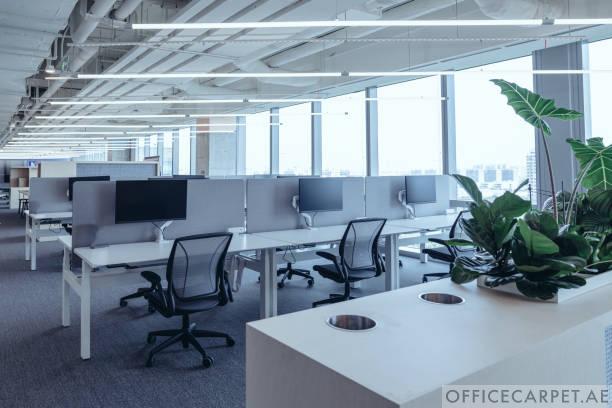

Office flooring plays a critical role in shaping productivity, comfort, acoustics, and overall workplace atmosphere. Among the various flooring solutions available, carpet remains one of the most widely used options in professional environments due to its balance of functionality and visual appeal.
Understanding what defines office carpet dubai and why it is commonly chosen for commercial interiors helps facility managers, architects, and business owners make informed decisions. From acoustic performance to sustainability considerations, office carpet offers a range of benefits that extend far beyond aesthetics.
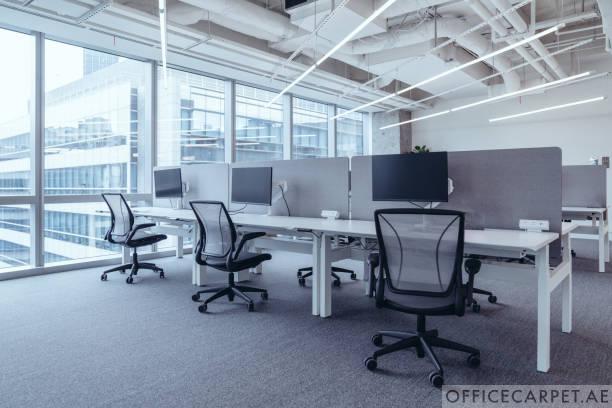
Understanding Office Carpet Materials and How They Affect Workplace Comfort
Office carpets are designed differently from residential carpets. They are engineered to withstand continuous foot traffic, support office furniture movement, and maintain structural integrity over time.
Common Office Carpet Materials
- Nylon – Highly durable, resilient, and stain-resistant
- Polypropylene (Olefin) – Resistant to moisture and mildew
- Polyester – Known for color clarity and softness
- Wool blends – Natural fiber with thermal and acoustic benefits
Material choice influences:
- Underfoot comfort
- Resistance to crushing from office chairs
- Long-term appearance retention
- Ease of maintenance
For example, nylon is often preferred in high-traffic workspaces because it recovers well after compression. Meanwhile, solution-dyed fibers improve stain resistance, making them practical for collaborative areas and meeting rooms.
Comfort in offices is not only about softness but also about reducing fatigue during long working hours. Carpet provides cushioning that minimizes strain compared to harder flooring surfaces.
How Carpet Choice Influences Acoustics and Noise Reduction in Offices
Acoustic control is one of the most important benefits of office carpet. In open-plan workplaces, sound travels easily across hard surfaces such as tile or vinyl. Carpet absorbs sound waves and reduces echo.
Acoustic Advantages of Carpet
- Reduces footstep noise
- Minimizes chair movement sounds
- Decreases airborne noise reflection
- Improves speech clarity
Carpet systems can include acoustic backing layers that further enhance sound absorption. This is particularly useful in:
- Call centers
- Meeting rooms
- Shared workspaces
- Executive offices
Noise reduction directly contributes to concentration and employee productivity. In contrast, harder surfaces like commercial vinyl flooring abu dhabi may require additional acoustic treatments to achieve similar results.
Comparing Carpet with Vinyl and Other Commercial Flooring Alternatives
When selecting office flooring, decision-makers often compare carpet with vinyl, laminate, or tile.
Carpet vs. Vinyl Flooring
Carpet Advantages:
- Better sound absorption
- Warmer underfoot feel
- Reduced slip risk
- Improved indoor comfort
Vinyl Advantages:
- Easier to clean spills
- High resistance to moisture
- Durable in heavy-traffic zones
Carpet vs. Tile or Stone
- Carpet offers thermal insulation
- Hard surfaces may amplify sound
- Carpet reduces impact noise
The choice depends on usage patterns. For example:
- Reception areas may combine materials
- Corridors might require higher durability
- Break rooms may use moisture-resistant flooring
Understanding the strengths of each material ensures proper allocation within the workspace.
Workplace Safety Considerations and Slip Resistance Factors Explained
Safety is a key factor in commercial flooring decisions. Carpet contributes positively to workplace safety in several ways.
Slip Resistance
Carpet naturally provides higher friction than hard surfaces, reducing the likelihood of slips and falls.
Impact Absorption
In the event of a fall, carpet cushioning reduces injury severity compared to tile or concrete floors.
Cable Management Compatibility
Modern offices require power and data cabling. Carpet tiles allow:
- Easier access to underfloor systems
- Concealed cable routing
- Flexible reconfiguration
Slip resistance and safety benefits make carpet particularly suitable for high-traffic office environments.
How Office Carpets Contribute to Interior Branding and Aesthetic Identity
Flooring is a major visual element in office design. Carpet supports branding through:
- Color coordination
- Pattern integration
- Zoning techniques
For example:
- Neutral tones create professional environments
- Bold colors define collaborative zones
- Patterned carpet tiles guide movement paths
Carpet can visually separate departments without physical partitions. Modular layouts also allow creative patterns that reflect company identity.
In hybrid indoor-outdoor office environments, materials may be coordinated with products sourced from an artificial grass supplier abu dhabi to create biophilic-inspired design themes that blend greenery with interior flooring aesthetics.
Environmental Considerations and Sustainability in Modern Flooring Solutions
Sustainability is becoming increasingly important in commercial construction.
Sustainable Carpet Features
- Recycled fiber content
- Low VOC (Volatile Organic Compound) emissions
- Modular replaceable tiles
- Extended product lifecycle
Carpet tiles reduce waste because damaged sections can be replaced individually instead of removing entire floors.
Manufacturers now produce carpets with:
- Eco-friendly backing materials
- Reduced chemical treatments
- Take-back recycling programs
Selecting environmentally responsible flooring supports green building certifications and promotes healthier indoor air quality.
Maintenance Practices That Extend the Life of Commercial Office Carpets
Proper maintenance significantly influences the lifespan and appearance of office carpet.
Daily Maintenance
- Vacuum high-traffic areas
- Remove surface debris
- Check for stains
Weekly or Monthly Maintenance
- Deep vacuuming
- Spot cleaning
- Edge inspection
Annual Maintenance
- Professional deep cleaning
- Moisture level assessment
- Seam integrity inspection
Preventive strategies include:
- Installing entrance mats
- Using chair mats in workstations
- Rotating modular carpet tiles in heavy-use zones
Consistent maintenance ensures the carpet retains its structure and visual appeal for many years.
Differences Between Wall-to-Wall Carpet and Modular Carpet Tiles in Offices
Office spaces typically choose between wall-to-wall carpet rolls and carpet tiles.
Wall-to-Wall Carpet
- Seamless visual appearance
- Suitable for large, open office floors
- Requires full replacement if heavily damaged
Carpet Tiles
- Modular installation
- Easier spot replacement
- Flexible layout adjustments
Carpet tiles are particularly useful in:
- Dynamic office layouts
- Spaces with raised access floors
- Buildings with frequent renovations
Their modular nature supports long-term adaptability and simplifies maintenance without disrupting the entire office environment.
Conclusion
Office carpet plays a vital role in workplace functionality, comfort, and design. Beyond its aesthetic appeal, it enhances acoustics, improves safety, supports sustainability goals, and contributes to overall employee well-being.
By understanding materials, installation methods, maintenance requirements, and design possibilities, organizations can make informed flooring decisions tailored to their operational needs. Whether prioritizing acoustic control, visual identity, or durability, office carpet remains a practical and adaptable flooring solution for modern workspaces.
FAQs
1. What makes office carpet suitable for commercial environments?
Office carpet is designed for durability, acoustic control, and resistance to heavy foot traffic. It supports rolling office chairs and provides comfort for extended use.
2. How does carpet improve sound absorption in workplaces?
Carpet absorbs sound waves and reduces echo, minimizing footstep noise and improving speech clarity in open-plan offices.
3. What are the advantages of carpet tiles in office spaces?
Carpet tiles allow easy replacement of damaged sections, flexible layout adjustments, and simplified access to underfloor systems.
4. How does vinyl flooring compare to carpet in offices?
Vinyl offers strong moisture resistance and easy cleaning, while carpet provides superior acoustic performance and underfoot comfort.
5. What maintenance practices help office carpets last longer?
Regular vacuuming, prompt stain removal, deep cleaning, and protective measures such as entrance mats extend carpet lifespan.
6. Are office carpets environmentally friendly?
Many modern office carpets are manufactured using recycled materials, low-emission processes, and modular designs that reduce waste and support sustainability initiatives.


