

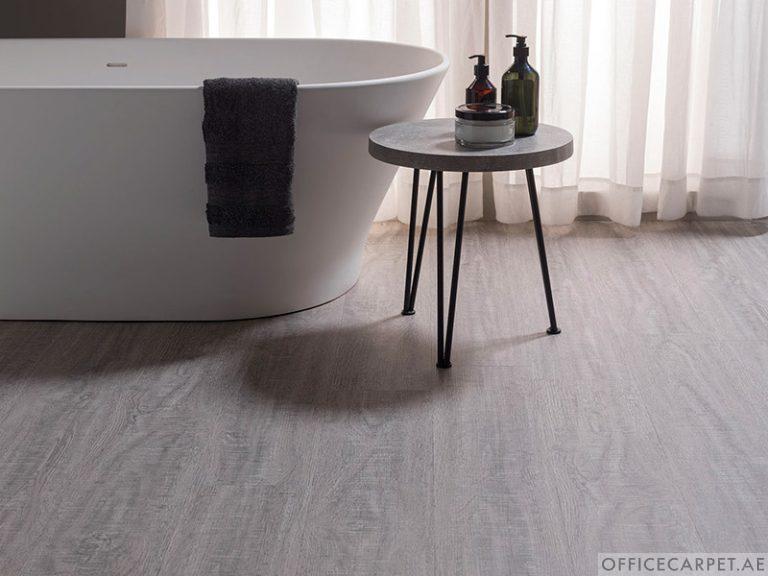

Choosing the right flooring for a home can dramatically impact its comfort, aesthetics, and functionality. Among various options, vinyl carpet flooring has emerged as a popular choice due to its versatility, durability, and stylish appearance. Unlike traditional carpeting or hard surfaces, vinyl carpet flooring combines the softness and warmth of carpet with the durability and easy maintenance of vinyl, making it ideal for modern living spaces.
Homeowners often look for flooring that balances visual appeal with practicality. Vinyl carpet flooring meets these demands by offering a range of textures, colors, and patterns while remaining resistant to wear, moisture, and stains. It is especially suitable for areas with high foot traffic such as living rooms, hallways, and kitchens.
This article will explore the benefits, features, installation guidance, and maintenance of vinyl carpet flooring, helping homeowners make informed choices for their modern homes.
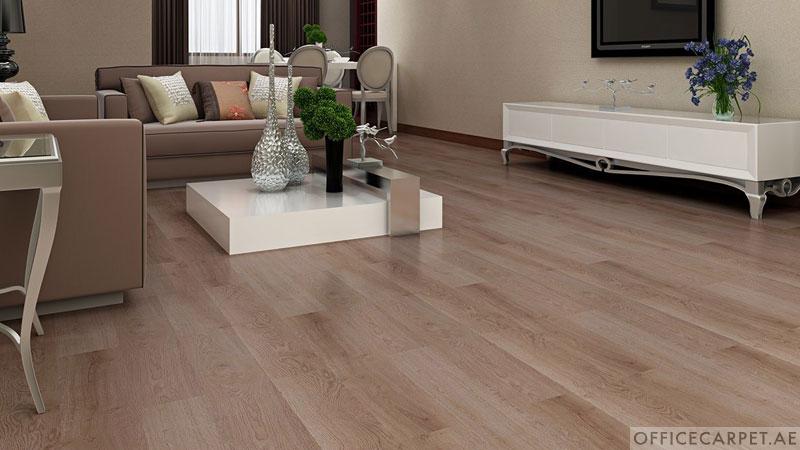
Exploring the Aesthetic Appeal of Vinyl Carpet Flooring
One of the main reasons homeowners choose vinyl carpet flooring is its ability to elevate interior design. Vinyl carpet flooring comes in a variety of textures, patterns, and finishes, allowing for creative and cohesive decor solutions.
- Variety of Designs: From realistic wood and stone textures to abstract geometric patterns, vinyl carpet flooring can replicate the look of natural materials without the maintenance challenges.
- Color Options: The wide palette ensures homeowners can match their flooring with existing furniture, walls, and decor accents. Light colors create a sense of space, while darker shades can hide dirt and enhance coziness.
- Customizable Patterns: Many vinyl carpet tiles allow for modular layouts, enabling homeowners to create unique patterns, borders, or feature areas in their home.
By offering flexibility in design, vinyl carpet flooring allows homeowners to align flooring with their personal style while achieving a polished, modern look.
How Vinyl Carpet Flooring Enhances Comfort and Insulation
Vinyl carpet flooring combines the soft feel of carpet with the resilient backing of vinyl, creating a comfortable and practical living space. Key benefits include:
- Underfoot Comfort: Vinyl carpet flooring provides cushioning, making it pleasant to walk on and reducing fatigue when standing for long periods.
- Thermal Insulation: This flooring type helps maintain indoor temperatures by providing a layer of insulation, which can contribute to energy savings in colder climates.
- Sound Absorption: The carpeted texture reduces echo and footstep noise, making it ideal for multi-story homes or open-plan spaces.
- Allergy Considerations: Unlike traditional carpets, vinyl surfaces are less likely to trap dust and allergens, improving indoor air quality while still offering comfort.
These characteristics make vinyl carpet flooring suitable for living rooms, bedrooms, and home offices where both comfort and functionality are essential.
Step-by-Step Guide to Installing Vinyl Carpet Flooring
Installing vinyl carpet flooring can be straightforward with proper preparation and techniques. While professional installation is recommended for best results, homeowners can follow these steps for DIY projects:
- Prepare the Subfloor: Ensure the surface is clean, dry, and level. Remove old flooring or debris and repair any imperfections.
- Acclimate the Vinyl: Leave vinyl carpet tiles or sheets in the room for 24–48 hours to adjust to the temperature and humidity.
- Plan the Layout: Measure the room carefully and decide on the starting point, usually the center or the longest wall.
- Cut and Fit Tiles/Sheets: Use a sharp utility knife for precise cuts, ensuring edges align properly.
- Apply Adhesive (if required): Some vinyl carpets have self-adhesive backing, while others require a separate flooring adhesive.
- Install in Sections: Work methodically, pressing tiles or sheets firmly into place to avoid air pockets.
- Roll or Press Surface: Use a floor roller to ensure strong adhesion and smooth out any irregularities.
Proper installation maximizes durability, aesthetic appeal, and comfort, ensuring the flooring performs well over time.
Common Mistakes to Avoid When Maintaining Vinyl Carpet Flooring
Maintaining vinyl carpet flooring is relatively easy, but homeowners should avoid common mistakes to preserve its appearance and lifespan:
- Using Harsh Chemicals: Abrasive cleaners or bleach can damage the protective layer. Use mild detergents and water instead.
- Neglecting Regular Cleaning: Dirt and debris can scratch the surface if not removed through regular sweeping or vacuuming.
- Ignoring Spills: Promptly cleaning spills prevents staining and moisture damage.
- Dragging Heavy Furniture: Moving furniture without lifting can cause dents or scratches. Use furniture pads or lift items carefully.
- Skipping Periodic Deep Cleaning: Routine mopping is helpful, but occasional deep cleaning with recommended products ensures longevity.
By avoiding these mistakes, homeowners can maintain a clean, attractive, and functional flooring surface in their modern homes.
Understanding Different Patterns and Textures in Vinyl Carpet Flooring
Vinyl carpet flooring offers a wide variety of patterns and textures that can influence both aesthetics and functionality:
- Smooth vs. Textured: Smooth finishes provide a sleek look but may show scuffs more easily, while textured surfaces can conceal minor wear and provide slip resistance.
- Embossed Patterns: Raised designs mimic natural materials like stone, tile, or wood, creating a realistic and tactile experience.
- Tile Layout Options: Modular vinyl carpet tiles allow for unique arrangements, including checkerboard, herringbone, or custom geometric designs.
- Combination Flooring: Pairing patterned vinyl tiles with plain sheets can create accent zones or visual separation within open-plan areas.
Understanding the options helps homeowners select designs that complement their decor while enhancing durability and practicality.
Comparing Vinyl Carpet Flooring to Traditional Carpeting Materials
Vinyl carpet flooring differs significantly from traditional carpets, offering unique advantages:
- Durability: Vinyl resists wear, stains, and moisture, making it more durable than fabric-based carpets in high-traffic areas.
- Maintenance: Easy to clean with water and mild detergent, vinyl reduces the need for professional cleaning.
- Water Resistance: Unlike traditional carpet, vinyl does not absorb spills, minimizing mold and mildew risk.
- Cost Efficiency: Long-lasting vinyl can be more economical over time, as it reduces replacement and maintenance costs.
These features make vinyl carpet flooring a practical alternative for families seeking comfort, aesthetics, and convenience.
How to Extend the Lifespan of Vinyl Carpet Flooring in Residential Areas
Proper care and preventive measures can significantly extend the life of vinyl carpet flooring:
- Regular Cleaning: Sweep or vacuum frequently to prevent dirt from embedding in the surface.
- Protect High-Traffic Areas: Use rugs or mats at entryways and hallways to reduce wear.
- Avoid Direct Sunlight: Prolonged exposure to sunlight can fade colors; use curtains or blinds to protect flooring.
- Use Furniture Pads: Prevent indentations by placing pads under heavy furniture legs.
- Routine Inspection: Check for damage or lifted edges and repair promptly to prevent worsening issues.
With these practices, homeowners can enjoy the beauty and comfort of vinyl carpet flooring for many years.
Conclusion
Vinyl carpet flooring offers an ideal balance of durability, comfort, and design flexibility for modern homes. It enhances indoor aesthetics while providing practical benefits such as thermal insulation, sound absorption, and water resistance. Homeowners can select from a wide range of textures, patterns, and colors to suit their style while ensuring easy maintenance and long-lasting performance. By understanding installation techniques, maintenance strategies, and common mistakes, families can maximize the lifespan and functionality of their vinyl carpet flooring. Integrating modular design options and thoughtful layout planning further allows homeowners to create visually appealing and comfortable living spaces that meet modern lifestyle needs.
FAQs
What is vinyl carpet flooring and how is it different from regular carpets?
Vinyl carpet flooring combines a vinyl backing with a carpet-like texture, offering softness underfoot and durability that surpasses traditional fiber carpets. It is easier to maintain, resistant to moisture, and available in modular tiles or sheets.
How durable is vinyl carpet flooring?
Vinyl carpet flooring is highly durable and resistant to wear, scratches, and moisture. Properly maintained, it can last 10–20 years in residential environments.
Can vinyl carpet flooring be used in kitchens or bathrooms?
Yes, vinyl carpet flooring is water-resistant and can be used in areas prone to moisture, although it’s important to avoid standing water and ensure proper installation.
What are the best cleaning practices for vinyl carpet flooring?
Routine vacuuming or sweeping, spot cleaning with mild detergent, and occasional deep cleaning are recommended. Avoid abrasive chemicals or harsh scrubbing.
How does vinyl carpet flooring affect indoor air quality?
Vinyl flooring with low VOC emissions contributes to better indoor air quality, reducing harmful chemical exposure compared to some traditional carpets.
Are there options for hypoallergenic vinyl carpet flooring?
Yes, vinyl carpet flooring tends to trap fewer allergens than traditional carpets, making it suitable for allergy-sensitive households.
What installation method is best for vinyl carpet flooring?
Self-adhesive tiles simplify installation, while sheet vinyl may require a professional adhesive application to ensure a smooth, seamless surface.
Can vinyl carpet flooring be installed over existing flooring?
In some cases, vinyl can be installed over smooth, level surfaces. However, uneven or damaged floors should be repaired for best results.
What patterns are most popular for vinyl carpet flooring?
Geometric patterns, wood and stone textures, and neutral solids are currently favored for modern residential spaces, offering both style and functionality.
How can I protect vinyl carpet flooring from furniture damage?
Use furniture pads, lift heavy items when moving, and avoid dragging furniture across the surface to prevent scratches or indentations.
Is vinyl carpet flooring suitable for homes with pets?
Yes, vinyl flooring is resistant to stains, scratches, and moisture, making it a pet-friendly option.
How can I combine vinyl flooring with traditional carpets in a home?
Use vinyl in high-traffic areas and traditional carpets in bedrooms or lounges for added comfort. Alternatively, modular sisal carpets can be layered over vinyl for texture contrast.
What maintenance steps extend the lifespan of vinyl carpet flooring?
Regular cleaning, protective mats in high-traffic areas, sun protection, and timely repairs all contribute to longer-lasting flooring.
Can vinyl carpet flooring be used on stairs safely?
Yes, when properly installed with non-slip backing, vinyl carpet flooring can be used on stairs to provide durability and safety.
Why choose vinyl carpet flooring over traditional flooring options?
It offers durability, easy maintenance, water resistance, and a wide variety of designs, making it suitable for modern homes with active lifestyles.
How can I integrate a stair carpets with vinyl flooring?
Matching stair carpets with vinyl flooring ensures continuity, enhances safety, and provides a polished appearance throughout the home.
Are there eco-friendly vinyl flooring options?
Yes, vinyl carpets with recycled content, low VOC emissions, and recyclable components help reduce environmental impact.
What is the best way to clean spills on vinyl carpet flooring?
Promptly blot spills with a damp cloth and mild detergent. Avoid rubbing, which can spread the stain or damage the surface.
Can vinyl carpet flooring improve energy efficiency?
The insulating properties of vinyl carpet flooring can help maintain indoor temperatures, reducing reliance on heating and cooling systems.
How do I choose a color that fits my home decor?
Consider wall colors, furniture, natural lighting, and the desired ambiance. Neutral shades provide flexibility, while bold colors or patterns create focal points.
Is vinyl carpet flooring noisy compared to other floors?
It absorbs some sound, though adding cushioned underlays or complementary carpets can further reduce noise in high-traffic areas.
What are the main advantages of sisal carpets in combination with vinyl flooring?
Sisal carpets add natural texture, comfort, and visual contrast, complementing the durability and practicality of vinyl flooring in residential spaces.


