

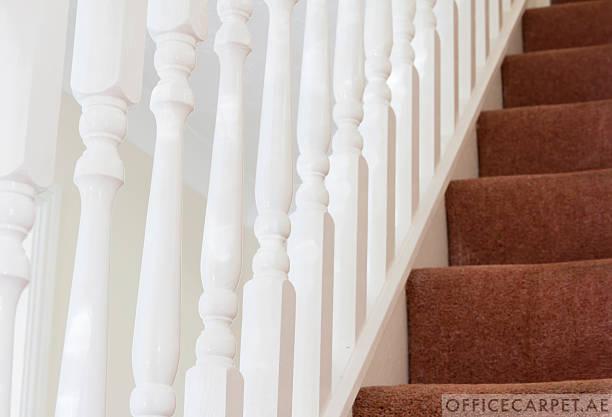

When it comes to designing or renovating a home, the staircase is often an overlooked element. Yet, it plays a crucial role in both aesthetics and functionality. Choosing the right stairs carpet not only enhances the visual appeal of your staircase but also improves safety, comfort, and durability. With so many materials, textures, and colors available, homeowners often find themselves overwhelmed when deciding what is best for their space.
A well-chosen stairs carpet can transform a plain staircase into a design statement while also providing practical benefits like noise reduction and slip prevention. In this article, we will explore the various aspects of selecting stairs carpet, from materials and measurements to maintenance tips and design considerations. By the end, you’ll have a comprehensive understanding of what to look for in a carpet that suits both your style and your household needs.
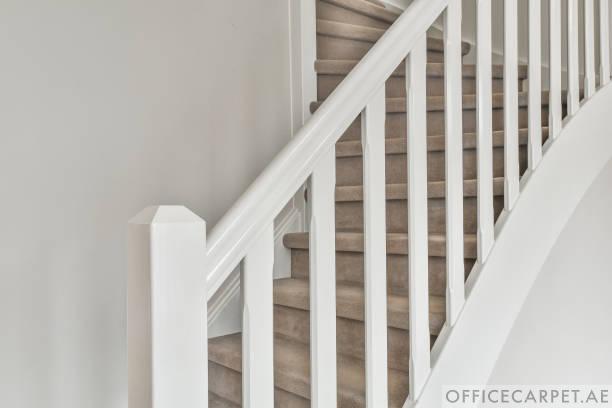
Key materials used in different types of stairs carpet and their benefits
Stairs carpet comes in a variety of materials, each offering unique properties. Understanding these options is essential before making a decision.
- Wool: Wool carpets are durable, naturally fire-resistant, and provide excellent insulation. They offer a soft texture that is comfortable underfoot and maintain their appearance for years with proper care.
- Nylon: Known for its resilience, nylon stairs carpet resists wear and tear, making it ideal for high-traffic areas. It is also easy to clean and maintain.
- Polyester: Polyester carpets provide vibrant color options and are stain-resistant. They are less durable than nylon but work well in low-traffic staircases.
- Olefin (Polypropylene): Olefin carpets are moisture-resistant and easy to maintain, though they may not be as durable in high-traffic areas.
- Blends: Many stairs carpets combine fibers such as wool and nylon to maximize durability, softness, and stain resistance.
Selecting the right material depends on your priorities, whether it’s long-lasting durability, comfort, or color retention. For example, a family with children and pets might benefit from a durable nylon carpet, while those looking for a luxurious feel might prefer wool. Additionally, integrating artificial grass carpet in certain design schemes, such as indoor-outdoor stairs or themed interiors, can provide a unique textural element while still being practical.
How to measure your staircase accurately before installing carpet
Accurate measurements are crucial for a professional-looking installation. Improperly measured carpets can lead to wasted materials and uneven coverage.
- Measure the width: Measure the width of each stair tread from one edge to the other. For consistent results, measure multiple stairs as staircases may not be perfectly uniform.
- Measure the length: Calculate the run of each step, including the horizontal tread and vertical riser. Multiply by the number of steps to estimate total carpet needed.
- Include extra material: Always add 10–15% for trimming, pattern alignment, and mistakes.
- Consider landings and turns: If your staircase has landings, corners, or curves, measure each separately. These areas often require custom cutting or additional padding.
Proper measurement ensures that your stairs carpet fits snugly, providing both safety and aesthetic appeal. Taking the time to measure carefully also reduces the risk of gaps, wrinkles, or uneven edges.
Pros and cons of various carpet pile heights for stairs
The pile height of a carpet refers to the length of the carpet fibers. It directly affects comfort, durability, and ease of maintenance.
- Low pile: Fibers are short and dense. Pros include durability, ease of cleaning, and suitability for high-traffic areas. Cons: less cushioning underfoot and limited luxury feel.
- Medium pile: Provides a balance of softness and durability. Pros include comfort and moderate maintenance. Cons: may show footprints and vacuum marks more easily.
- High pile (plush): Extremely soft and comfortable. Pros: luxurious feel and superior insulation. Cons: higher maintenance, more prone to matting, and less suitable for high-traffic stairs.
Choosing the right pile height depends on how often your stairs are used and your desired aesthetic. For busy households, low or medium pile is often recommended, while high pile can work well in quieter, decorative staircases.
Tips for maintaining stairs carpet to ensure long-term durability
Maintaining your stairs carpet helps preserve its appearance, prevent wear, and extend its lifespan. Here are some essential tips:
- Regular vacuuming: Frequent vacuuming removes dirt and dust that can damage fibers over time.
- Spot cleaning: Attend to spills immediately using mild carpet cleaners suitable for your carpet type.
- Rotating high-traffic areas: If your stairs see uneven use, periodically rotate rugs or mats to balance wear.
- Professional cleaning: Schedule deep cleaning annually to remove embedded dirt and restore fiber resilience.
- Use stair rods or grips: These can help keep carpet secure and prevent shifting.
Consistent maintenance can dramatically improve both the lifespan and safety of your staircase, making it an investment in both aesthetics and functionality.
How stairs carpet can improve home safety and reduce slips
One of the most important considerations when choosing stairs carpet is safety. Stairs are high-risk areas for falls, and an appropriate carpet can significantly reduce this risk.
- Non-slip backing: Carpets with a strong backing prevent sliding on smooth surfaces.
- Proper padding: Padding adds cushioning and traction, making stairs safer.
- High-traction materials: Some materials, like wool or tightly woven nylon, offer better grip.
- Edge protection: Properly finished edges reduce the risk of tripping on frayed or loose fibers.
Safety considerations are particularly important for households with children, elderly members, or pets. A well-chosen carpet can transform a potentially hazardous staircase into a safe and secure part of the home. For example, pairing a durable carpet tiles office material on landing areas with soft stair carpeting can provide both grip and aesthetic cohesion.
Common mistakes to avoid when selecting stairs carpet
Selecting stairs carpet comes with potential pitfalls that can compromise both appearance and functionality. Avoid these common mistakes:
- Ignoring traffic levels: Choosing a delicate carpet for high-traffic stairs can lead to rapid wear.
- Neglecting measurement accuracy: Incorrect measurements can lead to poor fit and wasted material.
- Overlooking pile height suitability: High pile may look luxurious but can be unsafe or difficult to maintain.
- Disregarding color and pattern: Patterns that are too busy or colors that clash with interiors can disrupt design harmony.
- Skipping maintenance considerations: Some carpets require regular upkeep that may not fit your lifestyle.
By being mindful of these factors, you can make a choice that is both practical and visually appealing, ensuring long-term satisfaction with your stairs carpet.
How to match stairs carpet with interior design and color schemes
Choosing a carpet that complements your home’s overall interior design can enhance the aesthetic appeal of your space. Consider these tips:
- Color coordination: Match or contrast carpet colors with wall paint, flooring, and furniture. Neutral tones work in most spaces, while bold colors create statement stairs.
- Pattern selection: Subtle patterns are easier to maintain and blend with decor, while intricate designs can make stairs a focal point.
- Texture and material: The texture of the carpet should harmonize with the room’s style. Soft, plush carpets suit cozy interiors, while low-pile, clean designs suit modern homes.
- Transition spaces: Consider the flow between floors. Using complementary artificial grass carpet on indoor or outdoor transitions can unify different areas seamlessly.
A harmonious design ensures that the staircase feels integrated rather than an afterthought, enhancing the overall appeal of your home.
Conclusion
Choosing the right stairs carpet requires careful consideration of materials, pile height, safety, maintenance, and design. A well-selected carpet can elevate the appearance of your staircase, provide comfort underfoot, and ensure the safety of all household members. By taking accurate measurements, considering traffic levels, and understanding your style preferences, you can select a carpet that meets both functional and aesthetic needs.
Investing time in choosing the right stairs carpet ensures long-term satisfaction and can transform your staircase into a beautiful, safe, and practical feature of your home. With attention to detail and knowledge of available options, your staircase can become both a design highlight and a secure, comfortable space for daily use.
FAQs
What is the ideal thickness for stairs carpet?
The ideal thickness depends on traffic levels and comfort preferences. Low to medium pile is typically recommended for high-traffic stairs, providing durability without compromising safety.
How often should stairs carpet be cleaned?
Regular vacuuming should be done weekly, with deep cleaning annually. Immediate spot cleaning is recommended for spills or stains.
Can stairs carpet reduce noise in the home?
Yes, carpet absorbs sound, reducing noise from footsteps and creating a quieter environment, particularly in multi-story homes.
Are there eco-friendly stairs carpet options?
Yes, carpets made from natural fibers like wool or recycled synthetic materials offer environmentally friendly choices without sacrificing durability or comfort.
How long does stairs carpet typically last?
With proper maintenance, stairs carpet can last 8–15 years, depending on material, pile height, and household traffic.
Can stairs carpet be installed on curved stairs?
Yes, curved stairs require precise measurement and cutting for a seamless fit. Professional installation is recommended for complex shapes.
How do I choose between different carpet fibers?
Consider durability, comfort, and maintenance. Wool is soft and long-lasting, nylon is highly resilient, and polyester provides vibrant color options with moderate durability.
What maintenance tips ensure longevity?
Regular vacuuming, spot cleaning, professional deep cleaning, and using stair grips or rods can extend the lifespan and maintain safety of your stairs carpet.
How does carpet improve stair safety?
Carpet provides traction, cushioning, and prevents slips. Properly installed carpet with secure edges reduces the risk of accidents.
How can stairs carpet complement interior design?
Choosing the right color, pattern, texture, and coordinating with surrounding decor ensures that the staircase enhances the room’s overall aesthetic, creating a cohesive and attractive space.


