

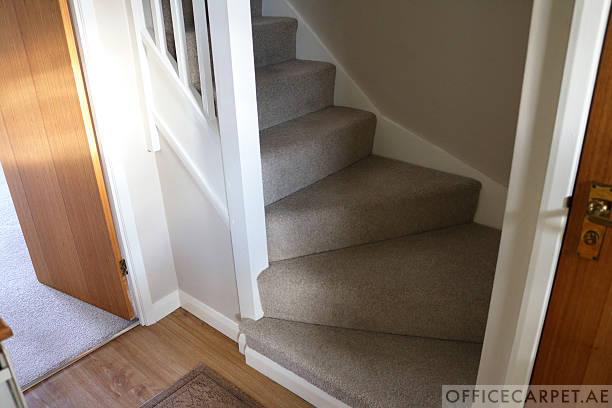

Staircase carpets are more than just decorative elements—they play a crucial role in comfort, safety, and overall home aesthetics. Selecting the right type of staircase carpet can transform your staircase into a central feature while providing practical advantages such as noise reduction and slip resistance. With various options available in Dubai, understanding the materials, installation methods, and maintenance requirements is essential for making an informed choice.
Many homeowners underestimate how staircase carpets affect the feel and functionality of their home. Proper carpeting can add warmth, reduce footstep noise, and protect stairs from wear and tear. In addition, well-chosen carpets can complement your interior design, enhancing both modern and traditional spaces. This article explores everything you need to know about staircase carpets, including types, installation considerations, material choices, and care tips.
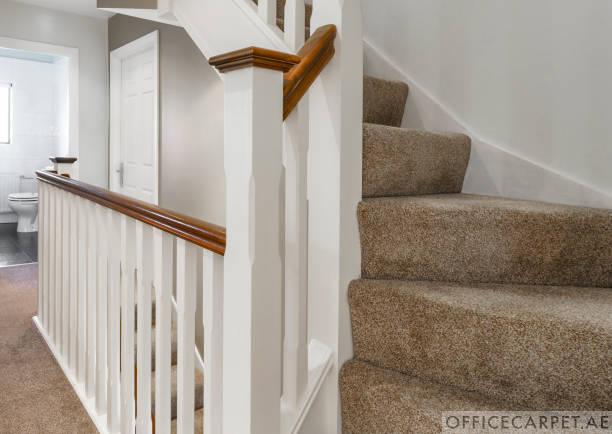
Differences Between Staircase Carpet and Standard Floor Carpeting
While standard floor carpeting covers large, flat areas, staircase carpets must accommodate vertical and horizontal surfaces. Key differences include:
- Design and fit: Staircase carpets are often narrower and cut to fit individual steps precisely.
- Safety features: Anti-slip backings or underlays are crucial to prevent accidents, which is less of a concern for standard flooring.
- Durability requirements: Stairs experience more concentrated foot traffic per square foot than a living room, requiring denser, more resilient fibers.
- Installation method: Stair carpets require careful stretching and secure fixing to each step and riser, unlike floor carpets which can be loosely laid or wall-to-wall installed.
Understanding these differences helps homeowners choose materials and installation methods that ensure both safety and longevity for staircase carpets.
How to Measure and Plan for Staircase Carpet Installation
Accurate measurement and planning are essential to a smooth staircase carpet installation:
- Measure each step: Include tread width, depth, and riser height. Irregular staircases may require individual measurements for each step.
- Calculate carpet length: Account for extra material needed to wrap edges and allow for secure fastening.
- Choose an installation pattern: Decide if the carpet will cover each step individually, be a continuous runner, or integrate with carpet tiles dubai for creative designs.
- Select underlay: The right underlay improves cushioning, sound absorption, and slip resistance.
- Plan seams carefully: For longer staircases, seams must be positioned to avoid high-traffic areas and maintain visual appeal.
Proper planning reduces installation errors, ensures the carpet fits perfectly, and maximizes both safety and aesthetic value.
Popular Materials Used in Staircase Carpets for Long-Lasting Performance
Material selection directly impacts durability, comfort, and appearance. Common materials include:
- Wool: Highly durable, soft, and flame-resistant, ideal for luxury staircases.
- Nylon: Strong and stain-resistant, suitable for high-traffic homes.
- Polyester: Soft and visually appealing, though less resilient than nylon or wool.
- Blended fibers: Offer a balance between durability, cost, and comfort.
Choosing a material should also consider factors like climate and maintenance. For instance, wool can handle foot traffic well but may require professional cleaning, while synthetic options often tolerate dust and heat common in Dubai’s environment.
How Staircase Carpets Impact Home Aesthetics and Comfort
A well-chosen staircase carpet enhances both style and comfort:
- Visual focal point: Patterns or bold colors can make the staircase a centerpiece of interior design.
- Texture and warmth: Carpeted stairs feel soft underfoot, adding a sense of coziness.
- Noise reduction: Carpets absorb sound, reducing echo and muffling footsteps.
- Style cohesion: Matching carpets to furniture, wall colors, and flooring creates a harmonious look.
For modern interiors, minimalist runners with subtle textures work well, while traditional homes benefit from patterned or hand-crafted designs. Integrating hand tufted flooring in certain areas can further elevate aesthetic appeal with luxurious textures.
Comparing Hand-Tufted Flooring with Other Carpet Types for Staircases
Hand-tufted carpets are created by punching yarn through a canvas backing, resulting in a dense, plush surface. Key advantages include:
- Durability: The dense pile resists flattening and wear, ideal for stair traffic.
- Customizability: Hand-tufted carpets allow for intricate designs and bespoke patterns.
- Comfort: Soft underfoot, adding a premium feel to your staircase.
Compared to machine-made carpets, hand-tufted options are often more luxurious and visually appealing. While slightly more expensive, they offer superior longevity and a tactile experience that complements interior design aesthetics.
Cleaning and Maintenance Techniques Specific to Staircase Carpets
Maintaining staircase carpets ensures both hygiene and lifespan. Best practices include:
- Regular vacuuming: Focus on edges and corners where dust collects.
- Spot treatment: Address spills immediately using gentle cleaners compatible with the carpet fiber.
- Deep cleaning: Steam cleaning or professional services every 12–18 months prevent deep-seated dirt.
- Inspect for wear: Check high-traffic areas for signs of flattening or fraying and address promptly.
Consistent maintenance protects both the carpet’s appearance and its functional properties, keeping stairs safe and visually appealing over time.
Tips to Choose Carpet Tiles Dubai That Complement Your Staircase Design
While traditional runners are common, carpet tiles dubai can provide creative flexibility:
- Mix and match colors: Tiles can create geometric or gradient patterns on stairs.
- Easy replacement: Individual tiles can be replaced if damaged, extending overall lifespan.
- Custom layouts: Allows for playful designs or alignment with adjacent flooring.
Using carpet tiles strategically can modernize a staircase while maintaining practicality and ease of maintenance.
Conclusion
Choosing the right staircase carpet requires careful consideration of materials, installation, design, and upkeep. By understanding the differences between staircase and standard flooring, planning measurements carefully, and selecting durable materials, homeowners can ensure their stairs are safe, comfortable, and visually appealing. Incorporating elements like staircase carpet runners, hand-tufted textures, or carpet tiles dubai allows for both functional and stylish solutions. Proper care and maintenance further ensure that staircase carpets remain an asset for years to come.
FAQs
What is the best type of carpet for staircases?
Durable options like wool, nylon, or hand-tufted carpets perform best due to high foot traffic and resistance to wear.
How do you install a staircase carpet correctly?
Measure each step, select the right underlay, secure the carpet edges, stretch it smoothly, and ensure proper attachment to prevent slipping.
Are hand-tufted carpets suitable for stairs?
Yes, hand-tufted carpets offer durability, custom designs, and a soft, luxurious feel, making them ideal for staircases.
How to maintain staircase carpets for longevity?
Vacuum regularly, treat stains promptly, schedule deep cleaning periodically, and inspect high-traffic areas for wear.
Can carpet tiles Dubai be used on stairs safely?
Yes, when properly installed with secure backing and anti-slip measures, carpet tiles provide flexibility, durability, and creative design options for staircases.


