

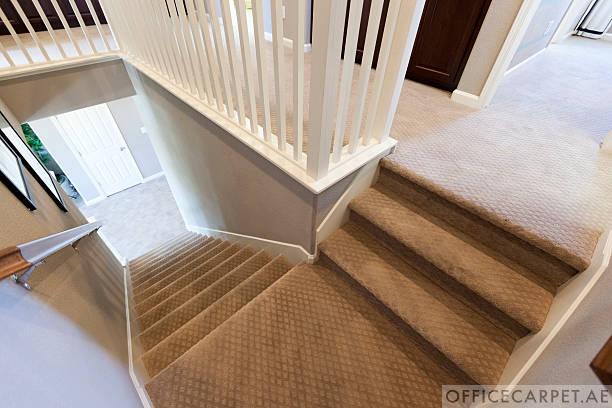

Stair tread covers are an essential addition to any staircase, providing safety, durability, and style. They serve as protective layers over your stairs, reducing wear on the underlying surface and preventing slips and falls. Beyond functional benefits, stair tread covers can also enhance the visual appeal of your home or commercial space by complementing existing décor.
Understanding the different types of stair tread covers, their materials, and installation methods is key to making the right choice. This article will provide a comprehensive guide, covering everything from safety features to maintenance, design considerations, and practical tips for installation. By the end, you will have a clear picture of how stair tread covers can improve both the safety and aesthetics of your stairs.
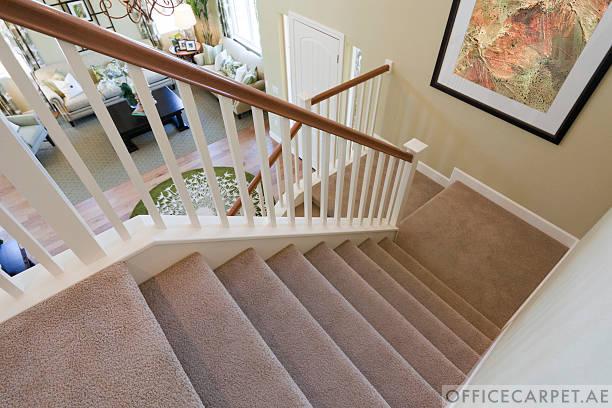
Understanding the purpose and types of stair tread covers for safety
Stair tread covers are designed primarily to increase traction, protect the stairs, and reduce noise. They can be made from various materials, each offering distinct benefits:
- Rubber tread covers: Highly slip-resistant and durable, ideal for high-traffic areas or households with children and pets.
- Vinyl or PVC covers: Water-resistant and easy to clean, making them suitable for indoor and outdoor stairs.
- Metal tread covers: Often used in commercial spaces, they provide durability and enhanced safety with textured surfaces.
- Wooden or laminate overlays: Enhance the aesthetic appeal while providing moderate protection and traction.
Different types of covers can be installed depending on the staircase material and usage. For example, a staircase made of concrete might benefit from a textured rubber cover for safety, while a wooden staircase might use laminate covers for a seamless look. The primary goal is to reduce accidents and extend the life of your stairs while maintaining style.
Materials used in stair tread covers and their durability factors
Choosing the right material for stair tread covers is crucial for balancing safety, longevity, and aesthetics. Each material offers unique advantages:
- Rubber: Flexible, durable, and highly slip-resistant. Rubber is excellent for both indoor and outdoor use, as it resists moisture and provides cushioning.
- PVC/Vinyl: Lightweight, affordable, and resistant to water and chemicals. Vinyl is easy to install and maintain but may wear faster under heavy traffic.
- Metal (aluminum or steel): Extremely durable and ideal for industrial or commercial settings. Metal covers are often ribbed or textured to prevent slipping.
- Wood and laminate: Provide a natural and warm look, suitable for residential interiors. Wood covers may require extra care to prevent scratches and water damage.
Durability depends on factors such as foot traffic, exposure to moisture, and installation quality. Selecting a material appropriate for the environment ensures long-term safety and aesthetics. Integrating carpet artificial grass on landing areas can also add a soft, slip-resistant transition that complements tread covers while protecting high-traffic zones.
Step-by-step guide on how to measure and fit stair tread covers
Proper measurement and installation are key to maximizing the effectiveness of stair tread covers. Follow these steps:
- Measure the tread: Measure the width and depth of each stair tread. Account for any overhangs or nosing.
- Choose the correct size: Select covers that fit snugly with minimal gaps, avoiding overhang that could create tripping hazards.
- Mark installation points: Use a pencil or masking tape to mark where each cover will be positioned.
- Clean the surface: Ensure the stairs are free of dust, debris, or grease before installation.
- Attach the cover: Depending on the material, use adhesive, screws, or clips as recommended by the manufacturer.
- Check alignment and security: Ensure each cover is securely fitted, level, and does not shift under pressure.
Proper installation ensures safety and enhances the appearance of your staircase. Misaligned or loosely installed covers can reduce traction and pose a hazard. For additional design or padding, consider coordinating with stair tread covers that complement surrounding flooring materials.
How stair tread covers can prevent slips and accidents at home
Slip prevention is the primary functional benefit of stair tread covers. Here’s how they enhance safety:
- Textured surfaces: Raised patterns and grooves improve grip, reducing the risk of slipping.
- Non-slip backing: Many covers come with adhesive or rubberized backing to keep them firmly in place.
- Cushioning: Soft materials like rubber absorb impact, minimizing injury in case of a fall.
- Visibility: Contrasting colors or patterns can highlight stair edges, improving awareness and safety, especially in low-light areas.
Stair tread covers are particularly beneficial in homes with young children, elderly residents, or pets. By addressing common hazards, they provide peace of mind while allowing safe movement throughout the home.
Cleaning and maintenance tips for different stair tread cover materials
Regular maintenance ensures that stair tread covers remain safe, durable, and visually appealing. Maintenance varies by material:
- Rubber: Wipe with a damp cloth or mild detergent. Avoid harsh chemicals that can degrade the rubber.
- Vinyl/PVC: Clean with mild soap and water. Avoid abrasive brushes that could scratch the surface.
- Metal: Dust and wipe regularly. For outdoor metal covers, check for corrosion or rust and treat as needed.
- Wood/laminate: Dust frequently and avoid excessive water. Apply polish periodically to maintain finish.
Routine maintenance also includes checking for loose covers or edges that may have shifted. Proper care extends the lifespan and ensures that your stair tread covers continue to provide maximum protection.
How stair tread covers can enhance aesthetic appeal of stairs
While safety is paramount, stair tread covers also offer opportunities for aesthetic enhancement:
- Color coordination: Choose covers that complement wall colors, flooring, and other interior elements.
- Material finishes: Select wood, metal, or rubber finishes that align with your décor style.
- Patterned designs: Some covers feature geometric or textured designs that add visual interest.
- Layered textures: Combining office carpet tile with tread covers can create a multi-textured look, enhancing both safety and style.
By selecting covers that match the interior style, homeowners can turn functional elements into design features, blending safety with elegance seamlessly.
Common installation mistakes and how to avoid them
Even the best materials can fail if installed incorrectly. Avoid these mistakes:
- Incorrect measurements: Ensure accurate width and depth measurements for each tread to avoid gaps or overlaps.
- Ignoring surface preparation: Always clean and level the stair surface before installation.
- Using inappropriate fasteners: Follow manufacturer instructions for screws, adhesives, or clips. Using the wrong type can cause loosening or damage.
- Skipping edge alignment checks: Misaligned edges can create tripping hazards or reduce aesthetic appeal.
- Neglecting maintenance: Failure to clean and inspect covers can lead to deterioration or unsafe conditions.
Avoiding these mistakes ensures your stair tread covers provide maximum safety, functionality, and style.
Conclusion
Stair tread covers are an essential investment in home and commercial safety. They protect stairs, prevent accidents, and can even enhance the overall design of your space. By understanding the materials, installation process, and maintenance requirements, you can choose the perfect covers for your staircase. Proper installation and care will ensure they remain safe, durable, and attractive for years to come.
Incorporating complementary elements such as stair tread covers and carpet artificial grass for transition areas can further enhance both safety and aesthetics, creating a cohesive and secure staircase environment.
FAQs
What are the best materials for stair tread covers?
Rubber and metal provide maximum durability and slip resistance, while vinyl and wood offer a balance of aesthetics and functionality. Material choice depends on traffic, usage, and style preferences.
How do stair tread covers improve stair safety?
They add traction, reduce the risk of slipping, and provide cushioning to minimize injury in case of a fall. Textured surfaces and non-slip backing are key features.
Can stair tread covers be used outdoors?
Yes, rubber, vinyl, and certain metal covers are suitable for outdoor use, offering weather resistance and durability. Always choose materials rated for outdoor conditions.
How long do stair tread covers typically last?
Depending on the material and traffic, covers can last 5–15 years. Regular maintenance and proper installation maximize their lifespan.
Are stair tread covers suitable for commercial spaces?
Yes, metal and rubber covers are ideal for high-traffic commercial areas due to their durability and slip resistance.
How do you maintain stair tread covers effectively?
Regular cleaning, checking for loose edges, and following material-specific care instructions will maintain safety and appearance over time.
Can stair tread covers enhance aesthetics?
Yes, by choosing complementary colors, finishes, and patterns, covers can add a design element while remaining functional.
Do all stair tread covers require adhesive for installation?
No, some covers use clips, screws, or rubber backing. The method depends on the material and staircase type.
Can stair tread covers prevent wear on underlying stairs?
Absolutely. They protect surfaces from scratches, scuffs, and heavy foot traffic, extending the life of your stairs.
Is professional installation recommended?
For complex staircases or certain materials like metal and laminate, professional installation ensures safety, proper fit, and longevity.


