

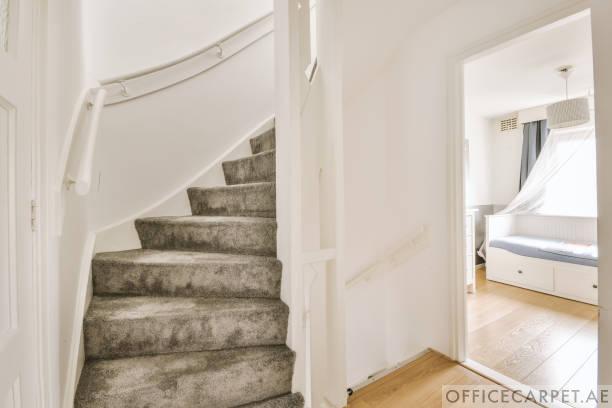

Stair carpets play a crucial role in both the aesthetic appeal and functional safety of a home. Choosing the right type of stair carpeting in Dubai can transform the look of your interior while also providing comfort and protection on one of the most frequently used areas of a house. Homeowners often focus on design, color, and texture, but understanding material quality and installation techniques is equally important to ensure longevity and safety.
In a busy household, stairs are high-traffic zones that experience constant wear and tear. Selecting durable, easy-to-maintain stair carpets can prevent accidents, reduce noise, and extend the lifespan of your flooring. In Dubai’s climate, which can fluctuate between intense heat and humidity, material choice also affects how well your carpet holds up over time. This guide covers the essential factors to consider when choosing the perfect stair carpets in Dubai, from design and durability to maintenance and eco-friendliness.
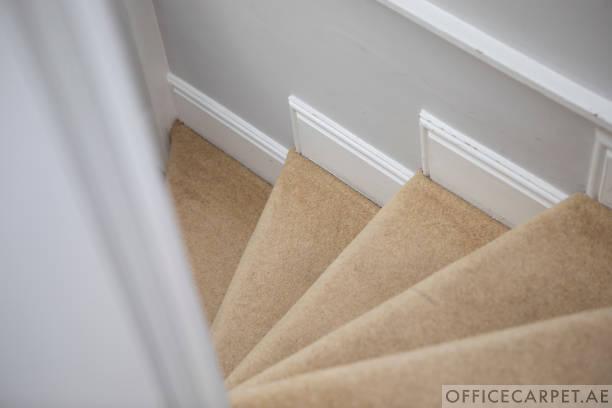
Understanding the Different Types of Stair Carpets Available in Dubai and Their Benefits
Stair carpets come in a variety of types, each offering distinct advantages depending on your needs and home style. Some of the most popular options include:
- Cut pile carpets: Soft underfoot and available in a wide range of colors and patterns, ideal for adding warmth and luxury to your stairs.
- Loop pile carpets: Highly durable and resistant to flattening, making them perfect for high-traffic stairs.
- Berber-style carpets: Constructed with tight loops and often made from natural fibers, providing durability and a textured appearance.
- Sisal or seagrass carpets: Eco-friendly natural options that offer a distinctive look, though they may be less soft underfoot.
Benefits of these carpets include noise reduction, slip resistance, and the ability to enhance interior décor. For example, a patterned cut pile carpet can complement modern interiors, while loop pile options are better suited for homes with children or pets due to their resilience.
Choosing the right type requires assessing the staircase’s traffic level, household activity, and personal design preference. It’s also important to consider regional conditions; for instance, carpets that can withstand Dubai’s high temperatures and occasional humidity spikes will maintain their appearance longer.
How Carpet Durability Affects Long-Term Maintenance and Safety on Stairs
Durability is one of the most critical factors when selecting stair carpets. Stairs endure repeated foot traffic, often more so than other areas of a home. A low-quality carpet may flatten quickly, develop wear patterns, or become slippery, increasing the risk of accidents.
Key aspects to evaluate include:
- Fiber type: Nylon and wool are known for resilience, while polyester may flatten faster under heavy use.
- Pile density: A denser carpet holds its shape better and maintains a uniform appearance over time.
- Backing and grip: Stairs require carpets with secure backing or anti-slip pads to prevent movement.
Regular maintenance also depends on durability. High-quality materials are easier to clean and maintain, reducing the need for frequent replacement. For families with children, elderly members, or pets, investing in durable stair carpets ensures safety and minimizes long-term upkeep.
Key Design Patterns and Colors That Enhance Your Interior Decor
Selecting the right design and color for stair carpets can dramatically improve a home’s interior aesthetics. Light colors can make small staircases appear more open, while darker shades hide dirt and wear more effectively. Patterns also play a role:
- Stripes: Elongate narrow staircases visually.
- Geometric designs: Add a contemporary, dynamic feel.
- Floral or traditional patterns: Introduce classic elegance and warmth.
Balancing color and pattern with the surrounding décor is essential. Neutral tones work well with minimalist interiors, whereas bolder colors or intricate designs can serve as a statement piece, adding personality to your home. Choosing a pattern that blends with furniture, wall colors, and lighting ensures a harmonious aesthetic.
Comparing Synthetic vs Natural Materials for Stair Carpeting in Dubai
Understanding the differences between synthetic and natural carpet fibers helps make an informed choice:
- Synthetic fibers (nylon, polyester, olefin): Resistant to stains, easy to clean, and generally more affordable. Ideal for high-traffic areas but may lack the luxurious feel of natural fibers.
- Natural fibers (wool, silk blends, cotton): Offer unmatched softness and warmth, excellent durability, and eco-friendliness. Wool, in particular, is resilient, flame-resistant, and breathable.
In Dubai’s climate, synthetic fibers are often preferred for areas exposed to dust and heat, while natural fibers are best for less exposed staircases, adding elegance and comfort. Combining both types in layered areas can achieve a balance of durability and luxury.
Steps to Properly Install Stair Carpets to Prevent Slipping and Wear
Proper installation ensures both safety and longevity of stair carpets. Key steps include:
- Measure accurately: Each step should be measured for length, width, and riser height.
- Choose the correct underlay: High-quality underlay provides cushioning, noise reduction, and helps prevent slipping.
- Cut and fit the carpet: Ensure precise cutting to avoid bunching or loose edges.
- Secure edges and corners: Use tack strips, adhesive, or stair rods as needed.
- Stretch and smooth: Avoid wrinkles or folds that can cause tripping hazards.
- Final inspection: Check for alignment, tightness, and safety on each step.
Professional installation is often recommended for complex staircases or premium carpets, but following these steps can guide DIY enthusiasts to achieve a secure and visually appealing result.
How to Maintain and Clean Stair Carpets to Preserve Quality and Appearance
Maintenance is essential for extending the life of your stair carpets. Key practices include:
- Regular vacuuming: Removes dust, debris, and prevents fiber flattening.
- Spot cleaning: Address spills immediately with gentle cleaners suitable for the carpet type.
- Deep cleaning: Schedule steam cleaning or professional cleaning every 12–18 months.
- Rotate stair runners if possible: Helps distribute wear evenly.
- Avoid harsh chemicals: Preserve color and fiber integrity by using manufacturer-recommended products.
By adopting a proactive maintenance routine, homeowners can ensure their stair carpets remain safe, attractive, and functional for years.
Tips for Selecting Eco-Friendly and Sustainable Stair Carpeting Options
Sustainable stair carpeting is gaining popularity as homeowners seek environmentally responsible choices. Consider these options:
- Natural fibers: Wool, jute, and sisal are biodegradable and renewable.
- Recycled materials: Carpets made from recycled fibers reduce landfill waste.
- Low-VOC adhesives and backings: Promote better indoor air quality.
- Durability focus: Longer-lasting carpets reduce the frequency of replacement and environmental impact.
Selecting eco-friendly options aligns with sustainable living practices while still delivering comfort, durability, and style.
Conclusion
Choosing the best stair carpets in Dubai requires careful consideration of type, durability, material, design, and maintenance needs. By understanding the available options and following proper installation and upkeep practices, homeowners can enhance both the safety and aesthetic appeal of their staircases. Sustainable and high-quality carpets not only improve interior design but also provide long-term value and comfort for the entire household.
FAQs
What are the most durable stair carpets in Dubai?
Durable stair carpets often feature high-density fibers like nylon or wool, which resist flattening and withstand heavy traffic. Loop pile and Berber-style carpets are especially long-lasting for high-use areas.
How often should stair carpets be replaced?
Replacement depends on traffic and material quality. Typically, well-maintained stair carpets last between 8–12 years, while high-traffic areas may require earlier replacement.
Can stair carpets improve home safety?
Yes, stair carpets reduce the risk of slips and falls by providing traction. Combined with proper installation and underlay, they significantly enhance stair safety.
What materials are commonly used in stair carpets?
Common materials include nylon, polyester, wool, and blends of natural and synthetic fibers. Each offers different levels of softness, durability, and stain resistance.
How to clean stair carpets without damaging them?
Vacuum regularly, treat spills promptly, and use manufacturer-recommended cleaners. Deep cleaning should be performed every 12–18 months, avoiding harsh chemicals.
Stair carpets can also incorporate stylish options like carpet tiles for certain areas, while handmade carpets bring unique craftsmanship to your stairs. Selecting stair carpets dubai that combine quality, style, and safety ensures both beauty and functionality for your home.


