

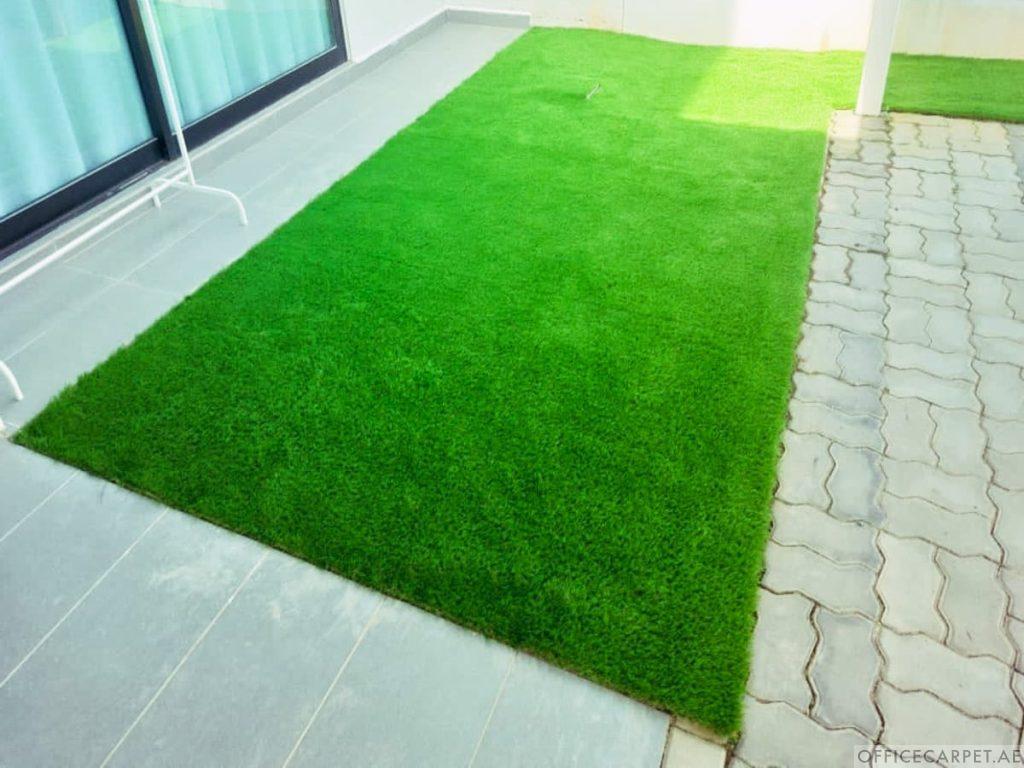

Grass carpet has emerged as a versatile flooring solution that combines the lush look of natural grass with the convenience and durability of synthetic materials. It can transform spaces by adding greenery and texture without the maintenance challenges associated with real grass. From enhancing aesthetic appeal to improving indoor environmental quality, grass carpet offers a wide range of benefits for both residential and commercial settings.
Unlike natural lawns, grass carpet does not require watering, mowing, or fertilizing, making it ideal for indoor environments, rooftop gardens, and office spaces where practicality and visual appeal are equally important. Its flexibility allows it to be installed in creative layouts, adding character to otherwise conventional spaces.
In this article, we will explore the different types of grass carpet, practical applications, maintenance tips, and environmental considerations, helping homeowners and office managers understand why this innovative flooring solution is gaining popularity.
Exploring the different types of grass carpet materials and textures
Grass carpets are available in a variety of materials and textures to suit diverse needs. Choosing the right type depends on location, foot traffic, and desired appearance.
- Polyethylene fibers: Known for their softness and realistic feel, these fibers are often used in areas where comfort is a priority. They are durable and retain their shape well.
- Polypropylene fibers: These are more rigid and resilient, making them suitable for outdoor areas or high-traffic zones. They also resist moisture and UV exposure.
- Nylon fibers: Extremely durable and resilient, nylon grass carpets are ideal for commercial settings that require long-lasting performance.
- Pile height and density: Grass carpets vary in pile height, with longer piles providing a more natural, lush appearance, while shorter piles offer easier maintenance and cleaning. Higher density carpets improve durability and comfort underfoot.
Selecting the right combination of material, texture, and pile height ensures that the grass carpet meets both aesthetic and functional requirements. For indoor offices or homes, combining grass carpet with quality carpets underlay can enhance cushioning, noise reduction, and comfort.
How grass carpet improves indoor aesthetics and outdoor simulations
Grass carpet can dramatically improve the look and feel of indoor and semi-outdoor spaces. Its vibrant green color and realistic texture create a connection to nature, which can positively influence mood and well-being.
Applications include:
- Indoor offices: Grass carpet can delineate collaborative areas or relaxation zones, offering employees a visually calming environment.
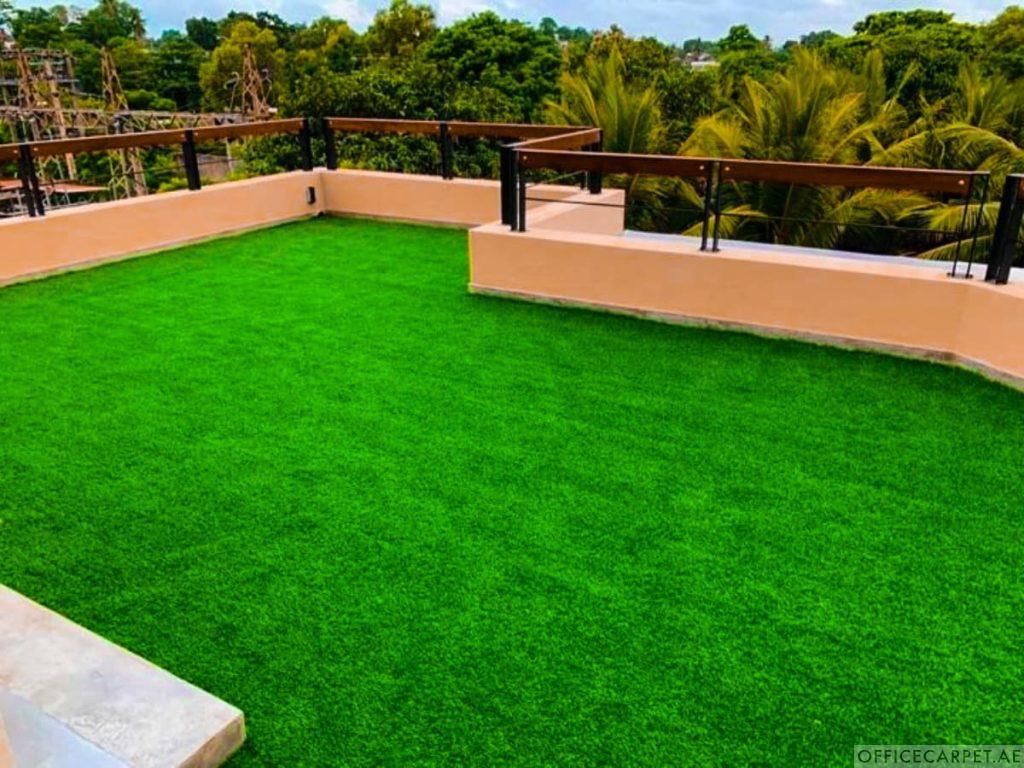
- Home interiors: Use it in sunrooms, children’s play areas, or rooftop terraces to create a garden-like atmosphere.
- Event spaces: Temporary installations can transform conference rooms, exhibitions, or lounge areas into unique green experiences.
Beyond aesthetics, grass carpet simulates an outdoor environment, providing a refreshing and natural feel without the maintenance of real grass. It can also complement other flooring materials like tiles or wood, creating a layered and textured design.
Step-by-step guide to maintaining grass carpet for longevity
Proper maintenance ensures that grass carpet retains its appearance and durability over time. While it requires less upkeep than real grass, it still benefits from regular care.
- Vacuum or sweep regularly: Remove dust, dirt, and debris to prevent fiber matting.
- Spot clean stains: Use mild detergent and water for spills; avoid harsh chemicals that may damage fibers.
- Rinse outdoor areas: If the grass carpet is installed on terraces or balconies, occasional rinsing helps remove dust and pollen.
- Brush fibers: Use a stiff-bristle broom to lift flattened fibers and maintain a natural look.
- Prevent mold and mildew: Ensure proper drainage if installed outdoors or in semi-exposed areas.
- Inspect seams: Check edges and seams periodically to prevent lifting or curling.
Regular attention helps grass carpet maintain its lush, vibrant appearance while extending its lifespan, making it a practical and sustainable choice.
Environmental and health benefits of using grass carpet
Grass carpet offers multiple environmental and health advantages compared to traditional flooring or real grass installations:
- Water conservation: Unlike natural grass, synthetic grass carpet requires no watering, saving significant water resources.
- Low-maintenance sustainability: Reduces the need for chemical fertilizers, pesticides, or herbicides.
- Improved indoor air quality: Low-VOC synthetic fibers minimize chemical emissions indoors.
- Noise reduction: Dense piles and underlays absorb sound, enhancing the acoustic environment in homes or offices.
- Safe and allergy-friendly: Synthetic grass reduces exposure to pollen, making it ideal for individuals with allergies.
These benefits make grass carpet a practical choice for sustainable office design, rooftop gardens, and residential interiors where environmental impact and indoor wellness are priorities.
Installing grass carpet safely and efficiently in various spaces
Successful installation is key to maximizing the durability and functionality of grass carpet. Installation steps vary depending on the surface and intended use:
- Prepare the surface: Ensure it is clean, flat, and dry. Remove debris or uneven sections that may affect adhesion.
- Measure and cut: Accurately measure the area and trim the carpet to fit, allowing for small overlaps or adjustments.
- Secure edges: Use adhesive, tape, or fasteners suitable for the surface type to prevent shifting.
- Add underlay (optional): For indoor or high-traffic areas, installing a soft underlay enhances comfort and cushioning.
- Seam joining: For larger areas, carefully join seams to create a uniform, continuous appearance.
- Brush and finish: Lift fibers with a broom or specialized brush to achieve a natural, even texture.
Proper installation ensures that grass carpet performs well in both aesthetic and functional terms, reducing the need for frequent repairs or replacements.
Comparing artificial grass carpets to natural grass alternatives
When considering grass carpet, it is important to understand how it compares to natural grass. Each option has distinct advantages and limitations:
- Artificial grass carpets: Low maintenance, durable, and usable year-round. Resistant to pests, weather changes, and high foot traffic. Offers flexibility in indoor, rooftop, or office settings.
- Natural grass: Provides authentic greenery, natural scent, and cooling effects. Requires regular watering, sunlight, mowing, and care to maintain health and appearance.
Grass carpet is particularly advantageous in areas where natural grass would be impractical, such as offices, indoor play areas, or rooftop terraces. For example, grass carpet can simulate an outdoor environment while providing consistent performance regardless of weather conditions.
Creative ideas for using grass carpet in offices and homes
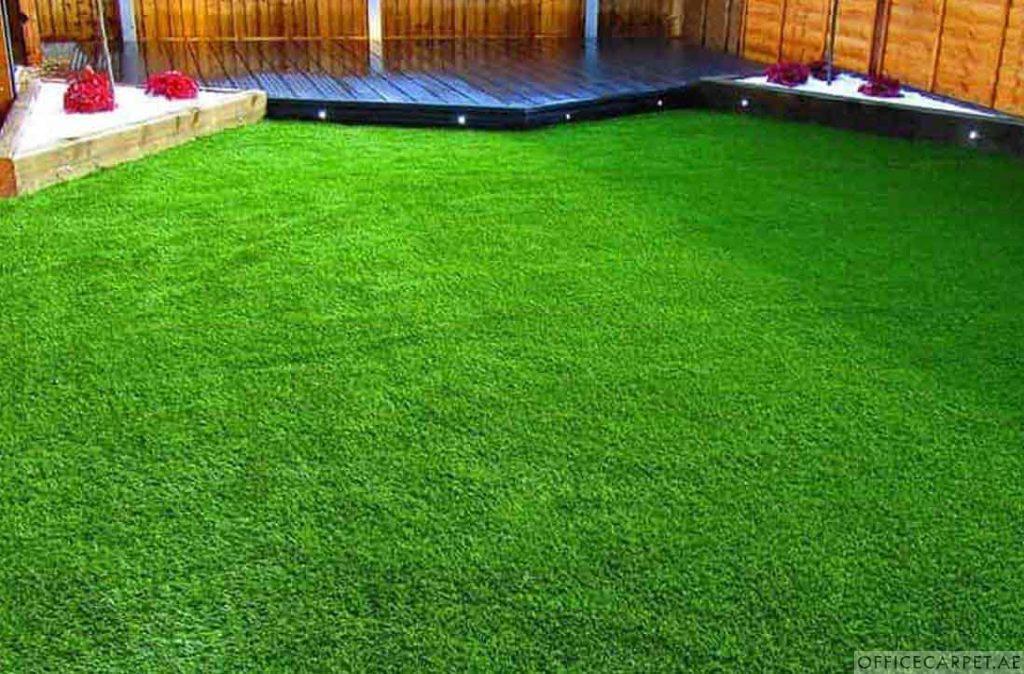
Grass carpet is highly versatile and allows for creative applications beyond traditional flooring:
- Office relaxation zones: Install patches of grass carpet in breakout areas to promote relaxation and informal collaboration.
- Children’s play areas: Soft, cushioned grass carpet creates a safe and engaging environment for play.
- Home décor accents: Use grass carpet to cover shelves, window ledges, or stair risers for a unique touch of greenery.
- Event or exhibition spaces: Temporary installations can transform conference rooms or expo booths into immersive natural settings.
- Rooftop terraces and balconies: Create a garden-like retreat without the challenges of maintaining natural grass.
By experimenting with layout, layering, and combinations with other flooring types, grass carpet can enhance aesthetics while providing practical benefits.
Conclusion
Grass carpet offers a compelling combination of aesthetics, practicality, and sustainability. Its versatility allows it to be used in homes, offices, and event spaces, providing a lush, green look without the maintenance burden of natural grass. With careful material selection, proper installation, and consistent maintenance, grass carpet can enhance indoor environments, improve comfort, and contribute to a sustainable lifestyle.
Whether used to create a calming workspace, a playful home area, or an outdoor-like terrace, grass carpet transforms ordinary spaces into vibrant, functional, and visually appealing environments. Its long-term durability and low maintenance requirements make it a practical choice for modern living and professional settings.
Frequently Asked Questions (FAQs)
What is grass carpet made of?
Grass carpet is typically made from synthetic fibers such as polyethylene, polypropylene, or nylon. These fibers are designed to mimic the look and feel of natural grass while providing durability and resilience.
How do you clean and maintain grass carpet?
Regular vacuuming or sweeping removes dust and debris. Spot cleaning with mild detergent and water is sufficient for spills. Brushing fibers periodically maintains a natural look. Outdoor installations may require occasional rinsing.
Can grass carpet be used outdoors?
Yes, high-quality grass carpets are UV-resistant and weatherproof, making them suitable for balconies, terraces, and outdoor play areas. Proper drainage and installation techniques ensure longevity.
Is grass carpet safe for children and pets?
Grass carpet is generally safe, soft, and cushioned, making it ideal for children’s play areas. It is also free of pesticides and allergens, reducing risks for sensitive individuals.
How long does grass carpet last?
With proper installation and maintenance, grass carpet can last 8–15 years, depending on foot traffic, material type, and exposure to environmental conditions.
Can grass carpet improve indoor air quality?
Synthetic grass carpets with low VOC emissions contribute to healthier indoor air quality. They also reduce allergens such as pollen compared to natural grass.
What installation techniques ensure grass carpet durability?
Preparing a flat, clean surface, securing edges, adding underlay where needed, and carefully joining seams all contribute to long-lasting performance.
How can grass carpet be used in office design?
It can define relaxation zones, collaborative spaces, or indoor green areas, providing a natural aesthetic and improved comfort for employees.
What role does fireproof carpet play with synthetic grass installations?
In offices or commercial spaces, using fire-retardant grass carpet options increases safety, reducing fire risks while maintaining the aesthetic benefits of greenery.
How does carpets underlay enhance grass carpet performance?
Underlay provides additional cushioning, improves comfort underfoot, absorbs noise, and can extend the lifespan of the grass carpet by reducing wear on the fibers.


