

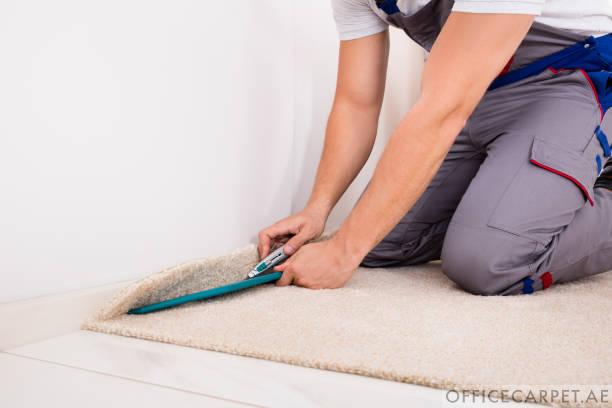

Carpet plays a major role in shaping the comfort, acoustics, and visual appeal of interior spaces. However, even the highest-quality carpet will not perform as expected without proper installation. The method used, the condition of the subfloor, and the tools involved all influence the final result.
Understanding how carpet installation works—from preparation to finishing—helps property owners, facility managers, and designers make informed decisions. This guide explains the full process, common techniques, and important considerations that affect long-term performance in both residential and commercial environments.

What Carpet Installation Involves from Preparation to Completion
Carpet installation is more than simply laying material on the floor. It is a structured process that ensures durability, comfort, and visual consistency.
The installation process typically includes:
- Initial Site Assessment
- Measuring the space accurately
- Identifying subfloor type (concrete, plywood, raised flooring)
- Checking moisture levels
- Subfloor Preparation
- Removing old flooring
- Cleaning and leveling the surface
- Repairing cracks or uneven areas
- Underlay Placement (if required)
- Installing padding or cushion layers
- Securing underlay to prevent shifting
- Carpet Layout and Cutting
- Aligning patterns correctly
- Cutting edges precisely
- Planning seam placement strategically
- Fixing the Carpet
- Stretching or adhering depending on method
- Securing edges and transitions
- Trimming excess material
Proper carpet installation ensures the flooring sits smoothly, resists wrinkles, and maintains consistent tension across the surface.
Different Carpet Installation Methods and When to Use Them
Different environments require different installation techniques. The choice depends on carpet type, room size, traffic levels, and future flexibility needs.
1. Stretch-In Method
This is one of the most common residential methods.
- Carpet is attached to tack strips along the perimeter
- A power stretcher ensures tight placement
- Typically used with cushion underlay
Best for: Homes, bedrooms, and areas where comfort is prioritized.
2. Glue-Down Method
Adhesive is applied directly to the subfloor.
- Provides strong adhesion
- Ideal for commercial environments
- Minimizes movement under rolling furniture
Best for: Offices, retail spaces, and high-traffic areas.
3. Double Glue-Down Method
This involves gluing the cushion to the subfloor and then gluing the carpet to the cushion.
- Enhanced durability
- Better dimensional stability
- Common in corporate interiors
4. Modular Tile Installation
Used in spaces requiring flexibility.
- Individual tiles adhered separately
- Easy replacement of damaged sections
- Allows phased installation
The selected method significantly affects longevity, maintenance, and acoustic performance.
Subfloor Preparation Requirements Before Installing Carpet
Subfloor preparation is one of the most critical steps in the entire process. An uneven or damp surface can cause premature wear, adhesive failure, and visible imperfections.
Key Preparation Steps
- Moisture Testing: Essential for concrete subfloors
- Leveling Compounds: Used to smooth uneven areas
- Cleaning: Removing dust, grease, and debris
- Repairing Cracks: Prevents uneven pressure points
Ignoring subfloor conditions can lead to:
- Wrinkling or bubbling
- Adhesive breakdown
- Uneven walking surfaces
For commercial settings such as areas using carpets for office, subfloor accuracy is especially important because rolling chairs and heavy foot traffic can magnify small imperfections.
Tools and Materials Commonly Used During Installation
Professional carpet installation relies on specialized tools to ensure precision and durability.
Essential Tools
- Power stretcher
- Knee kicker
- Seam roller
- Carpet knife
- Measuring tape
- Adhesive trowel
Materials Often Required
- Tack strips
- Adhesive
- Seam tape
- Cushion underlay
- Transition strips
Each tool serves a specific purpose. For example:
- A power stretcher prevents future wrinkles
- Seam tape secures joints invisibly
- Transition strips create smooth edges between flooring types
Proper tool usage ensures the carpet lies flat, seams remain discreet, and edges are securely finished.
How Carpet Installation Impacts Comfort and Insulation
The method and materials used during installation significantly influence comfort and insulation.
Thermal Insulation
Carpet provides a layer of thermal resistance, helping retain indoor warmth. Cushion underlay enhances this effect by adding an additional insulating barrier.
Acoustic Performance
Carpet absorbs sound waves, reducing echo and impact noise. This is particularly beneficial in:
- Open-plan offices
- Apartment buildings
- Multi-level commercial spaces
Walking Comfort
Properly installed carpet provides cushioning that reduces fatigue, especially in environments where people stand or walk for long periods.
The combination of correct installation method and suitable underlay directly contributes to overall indoor comfort.
Mistakes to Avoid During Residential and Office Installations
Even high-quality carpet can fail prematurely if installation errors occur.
Common Mistakes
- Inadequate Subfloor Preparation
Leads to visible imperfections and reduced lifespan. - Improper Stretching
Causes wrinkles and ripples over time. - Incorrect Seam Placement
Makes joints visible and weakens structural integrity. - Using the Wrong Adhesive
Results in bond failure, especially in humid environments. - Ignoring Expansion Gaps
Can cause buckling or edge lifting.
Avoiding these mistakes ensures long-term stability and visual consistency. Professional expertise and attention to detail are essential in achieving a durable finish.
Maintenance Considerations After Proper Carpet Installation
Once installation is complete, ongoing care determines how well the carpet performs over time.
Daily Maintenance
- Vacuum regularly
- Address spills immediately
- Use protective mats at entrances
Periodic Maintenance
- Deep cleaning using low-moisture methods
- Spot treatment for stains
- Inspection of seams and edges
In specialized environments such as areas using artificial grass carpet dubai, maintenance practices differ slightly, focusing more on brushing fibers and removing debris rather than traditional vacuuming routines.
Consistent care preserves both appearance and structural integrity.
Environmental and Safety Considerations During Installation
Environmental awareness and safety practices are increasingly important in flooring projects.
Indoor Air Quality
- Use low-VOC adhesives
- Ensure proper ventilation during installation
- Allow adequate curing time before occupancy
Waste Management
- Minimize offcuts through accurate measurement
- Recycle old carpet where possible
- Dispose of adhesive containers responsibly
Installer Safety
- Proper protective equipment
- Safe handling of cutting tools
- Awareness of ergonomic posture
Responsible installation practices contribute to healthier indoor environments and reduced environmental impact.
Conclusion
Carpet installation is a structured process that directly influences performance, comfort, and longevity. From subfloor preparation and method selection to tool usage and post-installation care, each step plays a vital role in achieving a stable and visually appealing result.
By understanding the different installation techniques and maintenance considerations, property owners and facility managers can ensure that carpeted spaces remain comfortable, functional, and durable for years to come.
FAQs
1. How long does carpet installation typically take?
The duration depends on room size, subfloor condition, and installation method. Smaller residential spaces may take a few hours, while larger commercial areas can require multiple days.
2. What preparation is needed before installing carpet?
Preparation includes removing old flooring, cleaning the subfloor, testing for moisture, leveling uneven surfaces, and ensuring proper measurements.
3. Is professional installation necessary for all carpet types?
While some modular tiles are designed for easier installation, most carpet types benefit from professional tools and techniques to ensure proper tension and seam alignment.
4. How does carpet installation affect indoor air quality?
Using low-VOC adhesives and ensuring adequate ventilation during installation helps maintain healthier indoor air quality.
5. What factors influence the lifespan of installed carpet?
Key factors include installation quality, traffic levels, maintenance routine, fiber type, and subfloor stability.


