

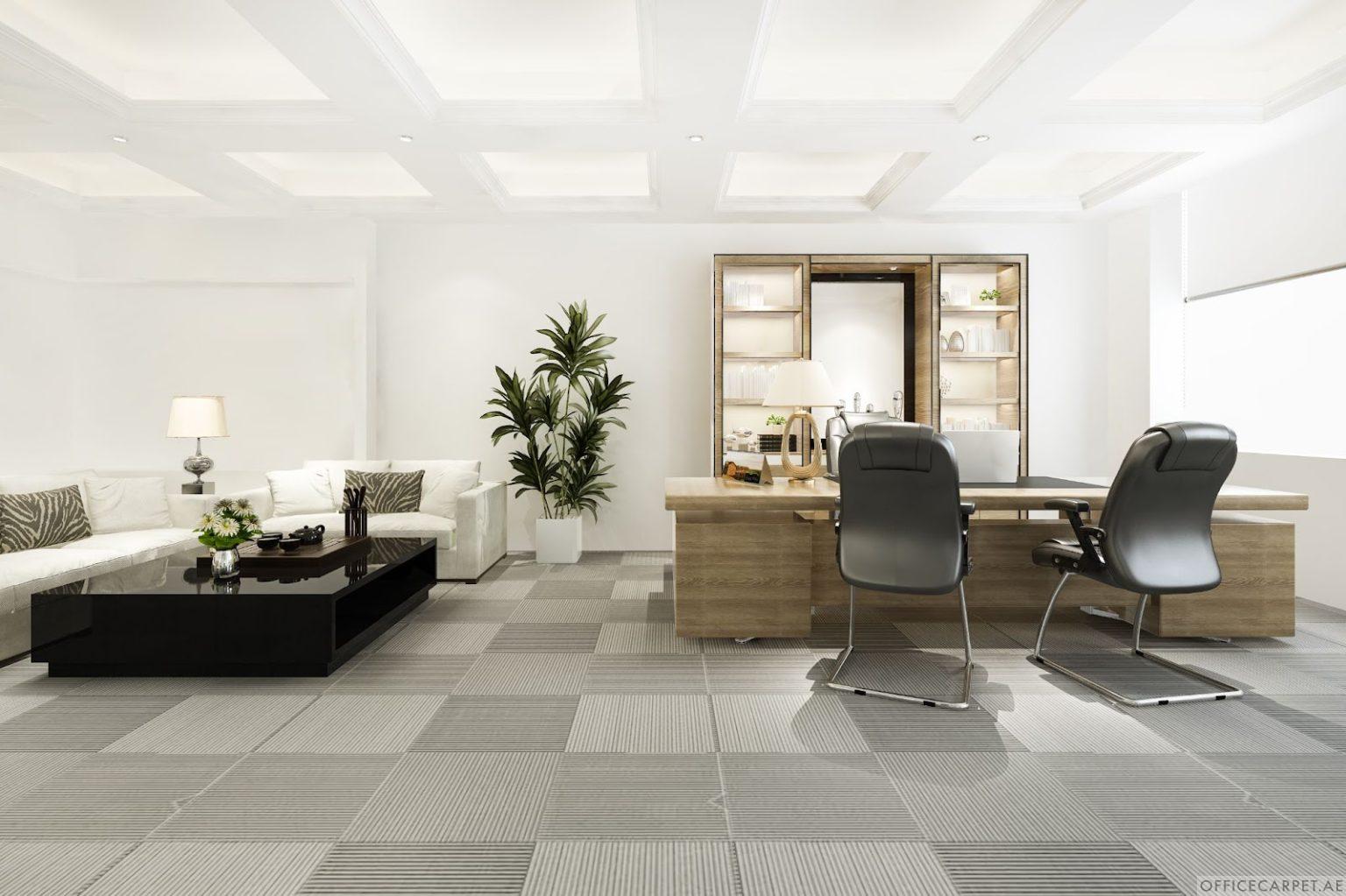

Selecting the right flooring for your office is more than just a design choice; it impacts productivity, comfort, safety, and the overall atmosphere of the workspace. Office flooring must balance durability, aesthetics, and functionality to accommodate the daily wear and tear of professional environments. One of the most popular and versatile options for commercial spaces is office tiles. They offer a combination of ease of maintenance, variety in styles, and resilience that can enhance the overall efficiency of the workplace.
Understanding the different types of office tiles, their installation requirements, and long-term maintenance is essential for making an informed decision. Whether you are renovating an existing office or designing a new one, choosing the right tile can influence both employee satisfaction and the longevity of your flooring investment.
In this article, we will explore the various factors to consider when choosing office tiles, their benefits, and practical tips to ensure you select the best option for your workspace.
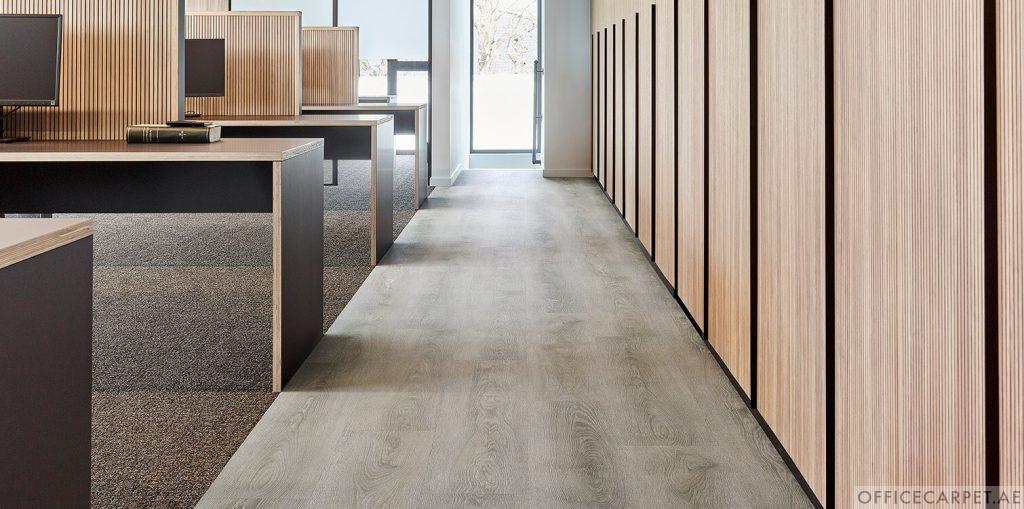
Understanding the different types of office tiles and their durability
Office tiles come in a wide range of materials, each with its unique properties, advantages, and potential limitations. Understanding the main types of office tiles is crucial for choosing the flooring that will meet your needs.
- Vinyl Composite Tiles (VCT): These are highly durable and resistant to heavy foot traffic. They are easy to clean and maintain, making them ideal for areas with frequent use. VCT can be customized with patterns or colors to match office decor.
- Carpet Tiles: Carpet tiles provide comfort underfoot and help reduce noise in open-plan offices. They are easy to replace if a section becomes stained or damaged. Carpet tiles are also available in modular designs, allowing creative layouts.
- Ceramic and Porcelain Tiles: These tiles are extremely durable and resistant to scratches, moisture, and stains. They are ideal for areas prone to spills or where cleaning is critical, such as cafeterias or reception areas.
- Rubber Tiles: Known for their resilience and cushioning effect, rubber tiles reduce strain on employees’ feet and legs. They also provide excellent slip resistance and noise absorption.
When assessing durability, consider not only the material but also the expected traffic, furniture load, and potential exposure to spills or stains. Some modern office tiles integrate fire proof carpet technology or other protective features that enhance safety and longevity.
How office tiles impact comfort and productivity in workplaces
Flooring significantly affects employee comfort, which in turn can influence productivity. For instance, hard surfaces like ceramic tiles can feel cold and unforgiving, whereas carpet tiles or rubber tiles provide a cushioning effect that reduces fatigue during long periods of standing.
Studies have shown that employees in environments with comfortable flooring report fewer aches and higher focus. Noise levels are another consideration. Open offices can become noisy, and sound-absorbing tiles, such as carpet options, help minimize distractions and enhance concentration.
The visual impact of flooring also contributes to a positive work environment. Bright, patterned tiles can create a stimulating atmosphere, while neutral, uniform designs promote calm and focus. Balancing visual appeal with practical comfort is key to creating a space that supports both employee well-being and efficiency.
Environmental considerations when selecting office tiles
Sustainability has become a major factor in office design. Choosing eco-friendly office tiles can reduce your environmental footprint and contribute to a healthier indoor environment. Some key considerations include:
- Material source: Opt for tiles made from recycled or renewable materials.
- Indoor air quality: Select tiles with low volatile organic compound (VOC) emissions to improve air quality.
- End-of-life disposal: Consider how easy it is to recycle or safely dispose of tiles when replacing them.
Many office tiles, particularly modular types, allow partial replacement rather than full-scale renovation, which minimizes waste. Incorporating green flooring solutions aligns with broader corporate sustainability initiatives and demonstrates a commitment to environmental responsibility.
Installation methods and maintenance tips for long-lasting office tiles
Proper installation ensures that office tiles perform well over time. Common installation methods vary depending on the tile type:
- Adhesive installation: Used for vinyl or carpet tiles, ensuring tiles remain firmly in place.
- Interlocking systems: Ideal for modular carpet or rubber tiles, allowing for easy replacement of individual tiles.
- Grouted tiles: Ceramic or porcelain tiles typically require grouting to maintain a secure and even surface.
Maintenance is equally important for extending the life of office tiles. Regular vacuuming or sweeping removes dirt and debris, while periodic deep cleaning maintains appearance and hygiene. Avoid harsh chemicals that may damage tile surfaces or adhesives. Installing a protective underlay can also improve longevity, particularly under high-traffic areas.
For example, pairing carpet tiles with quality underlay can provide additional cushioning and sound absorption, improving both durability and comfort.
Comparing synthetic vs natural materials used in office tiles
Office tiles can be broadly categorized into synthetic or natural materials, each with distinct characteristics.
- Synthetic tiles: Includes vinyl, rubber, and some carpets. They are highly customizable, easy to maintain, and resistant to moisture and stains. Synthetic tiles are often more affordable and provide consistent performance in high-traffic areas.
- Natural tiles: Includes stone, wood, or ceramic options. These materials offer unique textures and aesthetics that synthetic tiles may not fully replicate. They are durable but may require more maintenance, such as sealing natural stone to prevent staining.
Choosing between synthetic and natural materials depends on the office environment, budget, desired aesthetic, and functional requirements. Some offices opt for a combination of both to balance appearance and performance.
How fire resistance is incorporated in modern office tiles
Safety is a critical consideration in office design. Modern tiles often incorporate fire-resistant properties, particularly in high-occupancy areas. Fireproof materials help slow the spread of flames and reduce smoke emission, providing crucial time for evacuation in case of fire.
Fire resistance can be achieved through:
- Material selection: Certain synthetic tiles are formulated to resist ignition and self-extinguish when exposed to flame.
- Coatings and treatments: Some tiles are treated with fire-retardant chemicals to enhance their resistance.
- Compliance standards: Look for tiles that meet local fire safety codes and certifications.
Integrating fire proof carpet options into office flooring is one way to ensure safety without compromising comfort or design.
Ways to combine aesthetics and functionality in office tile design
Aesthetic appeal and functionality should go hand in hand in office flooring. Modern office tiles allow for creative designs without sacrificing performance.
Tips for balancing aesthetics and functionality:
- Use contrasting colors or patterns to delineate different areas, such as walkways, meeting spaces, or collaborative zones.
- Mix materials: Carpet tiles for quiet zones, vinyl tiles for high-traffic corridors.
- Choose textures that complement the office interior while providing slip resistance.
- Consider modular tiles for easy reconfiguration as office layouts change.
Thoughtful design can transform flooring from a purely functional element into a visual asset that enhances workplace identity and atmosphere.
Conclusion
Choosing the best office tiles requires a balance of durability, comfort, safety, and aesthetic appeal. Understanding the different types of tiles, their installation methods, and maintenance requirements ensures long-term performance and employee satisfaction. Incorporating fire-resistant materials, considering environmental impact, and blending aesthetics with functionality are essential steps in selecting flooring that supports both daily operations and long-term office goals.
By carefully evaluating each factor and utilizing modern tile options, offices can create productive, safe, and visually pleasing environments that accommodate the evolving needs of employees and visitors alike.
Frequently Asked Questions (FAQs)
What are office tiles made of?
Office tiles can be made from various materials, including vinyl, carpet, ceramic, porcelain, rubber, and sometimes natural stone. Each material offers different levels of durability, comfort, and aesthetics.
How long do office tiles typically last?
The lifespan of office tiles depends on material and maintenance. Carpet tiles can last 10–15 years with proper care, vinyl tiles 15–20 years, and ceramic or porcelain tiles can last decades if installed and maintained correctly.
Can office tiles improve office acoustics?
Yes. Carpet tiles and rubber tiles help absorb sound, reducing noise levels and improving acoustics in open-plan offices or meeting areas.
What maintenance is required for office tiles?
Regular cleaning, such as vacuuming or sweeping, and occasional deep cleaning are essential. Avoid harsh chemicals that may damage the surface. Some tiles may require sealing or protective underlay for added durability.
Are office tiles eco-friendly?
Some office tiles are made from recycled or renewable materials and have low VOC emissions, contributing to sustainability and healthier indoor air quality. Choosing modular tiles can also reduce waste by allowing partial replacement.
How to prevent slips and hazards on office tiles?
Select tiles with slip-resistant surfaces, use appropriate cleaning methods, and install mats or protective coverings in high-risk areas. Some tiles, like fake turf abu dhabi, also provide traction in specific zones.
Can tiles be combined for different office zones?
Yes, combining tile types such as carpet for quiet areas and vinyl for high-traffic corridors allows for functional zoning while maintaining aesthetic cohesion. Modular options enable flexibility and easy reconfiguration.
What safety standards should office tiles meet?
Tiles should meet local fire safety regulations and certifications. Incorporating fire-resistant materials, such as fire proof carpet, ensures compliance and enhances workplace safety.
Do office tiles affect employee productivity?
Yes, comfortable and visually appealing tiles reduce fatigue, absorb noise, and create an environment conducive to focus, positively influencing employee productivity and satisfaction.
Can office tiles be installed over existing flooring?
Some tile types, like interlocking carpet or vinyl tiles, can be installed over existing flooring if it is level and clean. Proper preparation ensures durability and performance over time.
Where can office tiles be best used?
Office tiles are ideal for reception areas, open-plan offices, corridors, conference rooms, and even cafeterias, offering a versatile solution for most commercial spaces.


