

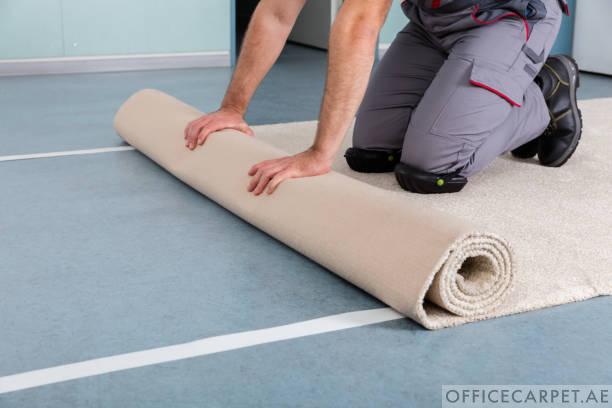

Carpet installation is a structured process that combines technical precision, material knowledge, and surface preparation expertise. Whether for offices, commercial buildings, or specialized environments, installing carpet correctly determines not only how the flooring looks but also how long it lasts and how well it performs under daily use.
Understanding the full scope of carpet installation dubai projects helps property owners, facility managers, and designers make informed decisions. From initial site inspection to final finishing, every stage plays a role in ensuring durability, safety, and aesthetic consistency. This guide explores the entire process in detail and explains what happens behind the scenes during professional carpet installation.
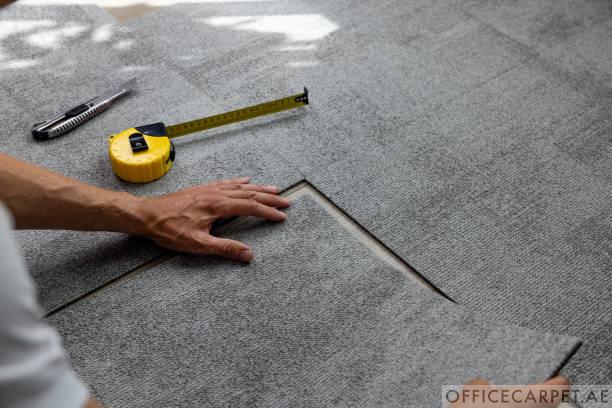
Understanding the Full Carpet Installation Process from Start to Finish in Modern Interior Projects
A professional carpet installation typically follows a structured workflow designed to reduce errors and ensure long-term performance. The process includes:
- Initial Site Visit and Consultation
- Evaluation of space dimensions
- Identification of usage type (office, retail, residential)
- Discussion of traffic levels and functional needs
- Material Selection and Planning
- Choosing between carpet tiles or rolls
- Determining underlay requirements
- Planning layout direction and seam placement
- Surface Preparation
- Cleaning the subfloor
- Leveling uneven surfaces
- Moisture testing
- Installation Execution
- Adhesive application or stretch-in method
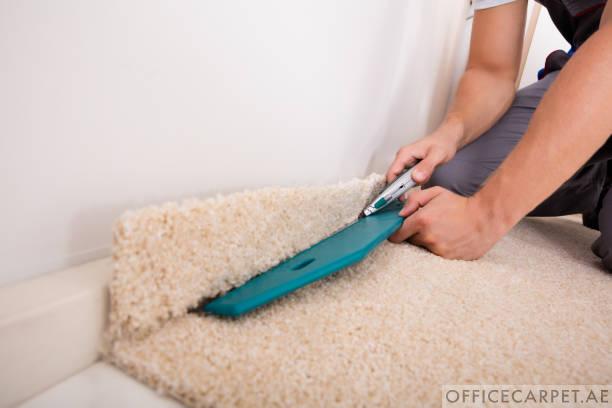
- Cutting and fitting
- Seam sealing
- Final Inspection and Cleanup
- Edge trimming
- Joint inspection
- Surface vacuuming
Each stage must be completed carefully to prevent common problems such as bubbling, seam separation, or premature wear.
How Professional Assessment and Site Measurement Influence Installation Accuracy and Results
Accurate measurement is critical before any carpet is cut or installed. Professionals measure:
- Total floor area
- Irregular corners or architectural features
- Doorway clearances
- Transition zones between rooms
Even small miscalculations can result in material shortages or visible seams in high-traffic areas.
Professional assessment also includes evaluating foot traffic patterns. For example:
- High-traffic corridors may require denser carpet fibers
- Conference rooms may benefit from acoustic-enhancing backing
- Reception areas may need stain-resistant materials
In office environments, especially when installing office carpet, planning layout alignment with furniture positioning can reduce visible wear paths and maintain visual consistency.
Differences Between Residential, Commercial, and Office Carpet Applications Explained
Not all carpets are designed for the same function. Installation techniques and materials differ based on usage type.
Residential Carpet Applications
- Focus on comfort and softness
- Often use underlay padding
- Lower traffic expectations
Commercial Carpet Applications
- Prioritize durability and ease of maintenance
- Often use glue-down installation
- Designed for continuous foot traffic
Office Carpet Applications
- Emphasize acoustic control
- Support rolling office chairs
- May use modular carpet tiles for flexibility
Commercial settings require stronger adhesives and tighter seam work because even slight movement can affect long-term performance.
Subfloor Preparation Requirements and Why Surface Condition Matters for Durability
Subfloor preparation is one of the most important yet overlooked stages of carpet installation.
Before installing carpet, professionals check:
- Moisture levels
- Surface cracks
- Uneven areas
- Residual adhesive from old flooring
Common subfloor types include:
- Concrete
- Plywood
- Raised access floors
If moisture is present in concrete, it can weaken adhesive bonds. Uneven surfaces can cause visible bumps or premature wear. Therefore, leveling compounds or moisture barriers may be applied before installation begins.
Proper preparation directly impacts:
- Carpet lifespan
- Adhesive strength
- Seam durability
- Overall visual finish
Skipping this stage often leads to costly repairs later.
Tools, Adhesives, and Techniques Commonly Used in Carpet Fitting Projects
Professional installers rely on specialized tools and techniques to ensure precision.
Essential Tools
- Carpet knives
- Seam rollers
- Knee kickers
- Power stretchers
- Notched trowels
Installation Techniques
- Glue-Down Method
- Common in commercial spaces
- Provides firm adhesion
- Ideal for heavy foot traffic
- Stretch-In Method
- Uses tack strips
- Allows slight flexibility
- Common in residential settings
- Carpet Tile Installation
- Modular placement
- Easier replacement of damaged sections
- Frequently used in offices
The type of adhesive used depends on subfloor material and environmental conditions such as humidity and temperature.
Common Installation Challenges and How They Are Professionally Resolved
Even with careful planning, installation challenges can arise.
Common Issues
- Seam visibility
- Pattern misalignment
- Adhesive failure
- Edge curling
Professional Solutions
- Precise seam sealing techniques
- Using pattern matching guides
- Applying moisture-resistant adhesives
- Ensuring proper acclimatization of carpet before installation
Acclimatization is particularly important. Carpet materials should sit in the installation environment for 24–48 hours to adjust to room temperature and humidity.
In outdoor-inspired interiors or hybrid spaces that integrate synthetic turf aesthetics, coordination between carpet and materials from artificial grass carpet suppliers may require additional attention to surface transitions and adhesive compatibility.
Maintenance Considerations After Proper Carpet Installation Is Completed
Installation is only the beginning. Maintenance plays a major role in preserving carpet performance.
Immediate Post-Installation Care
- Avoid heavy furniture placement for 24 hours
- Maintain consistent indoor temperature
- Limit foot traffic until adhesive cures
Long-Term Maintenance Tips
- Vacuum high-traffic areas daily
- Perform deep cleaning every 6–12 months
- Address spills immediately
- Use entrance mats to reduce dirt entry
Proper installation combined with regular maintenance significantly extends carpet lifespan and maintains visual appeal.
Comparing Wall-to-Wall Carpets and Carpet Tiles for Functional Spaces
Choosing between wall-to-wall carpet and carpet tiles affects both installation method and long-term flexibility.
Wall-to-Wall Carpet
- Seamless appearance
- Faster installation in open areas
- Requires full replacement if damaged
Carpet Tiles
- Modular design
- Easy replacement of individual sections
- Better suited for evolving office layouts
Carpet tiles are especially useful in workspaces where layouts change frequently or where localized wear is common. They also simplify maintenance since damaged tiles can be swapped without disturbing the entire floor.
The choice depends on:
- Traffic intensity
- Budget planning (long-term maintenance focus)
- Flexibility requirements
- Aesthetic goals
Conclusion
The carpet installation process involves much more than laying flooring material on a surface. It requires detailed measurement, thorough subfloor preparation, careful adhesive selection, and precise fitting techniques. Each step directly affects durability, comfort, and appearance.
By understanding the structured workflow—from assessment to maintenance—property owners and managers can ensure better results and fewer long-term issues. Proper installation combined with ongoing care transforms carpet from a decorative element into a durable, functional foundation for interior spaces.
FAQs
1. What steps are involved in a professional carpet installation process?
The process typically includes site inspection, accurate measurement, subfloor preparation, adhesive application or stretching, seam sealing, trimming, and final inspection. Each stage ensures proper alignment and durability.
2. Why is subfloor preparation important before installing carpet?
Subfloor preparation ensures a smooth, dry, and stable surface. Without proper leveling and moisture control, carpet may bubble, wrinkle, or experience adhesive failure.
3. How long does carpet installation typically take in offices?
Installation time depends on the space size and complexity. Small office rooms may take a few hours, while large commercial areas can require several days, especially if extensive subfloor preparation is needed.
4. What factors affect carpet durability after installation?
Durability depends on subfloor condition, adhesive quality, traffic levels, fiber density, and maintenance practices. Proper installation significantly improves lifespan.
5. What are the differences between carpet tiles and roll carpets?
Carpet tiles are modular and allow easy replacement of individual sections, while roll carpets provide a seamless appearance but require full replacement if heavily damaged.
6. How should newly installed carpets be maintained?
Avoid heavy traffic immediately after installation, vacuum regularly, clean spills quickly, and schedule periodic deep cleaning to preserve appearance and performance.


